Our Feedstock
Browse our range of waste-based and vegetable-oil feedstock
Showing 19 products
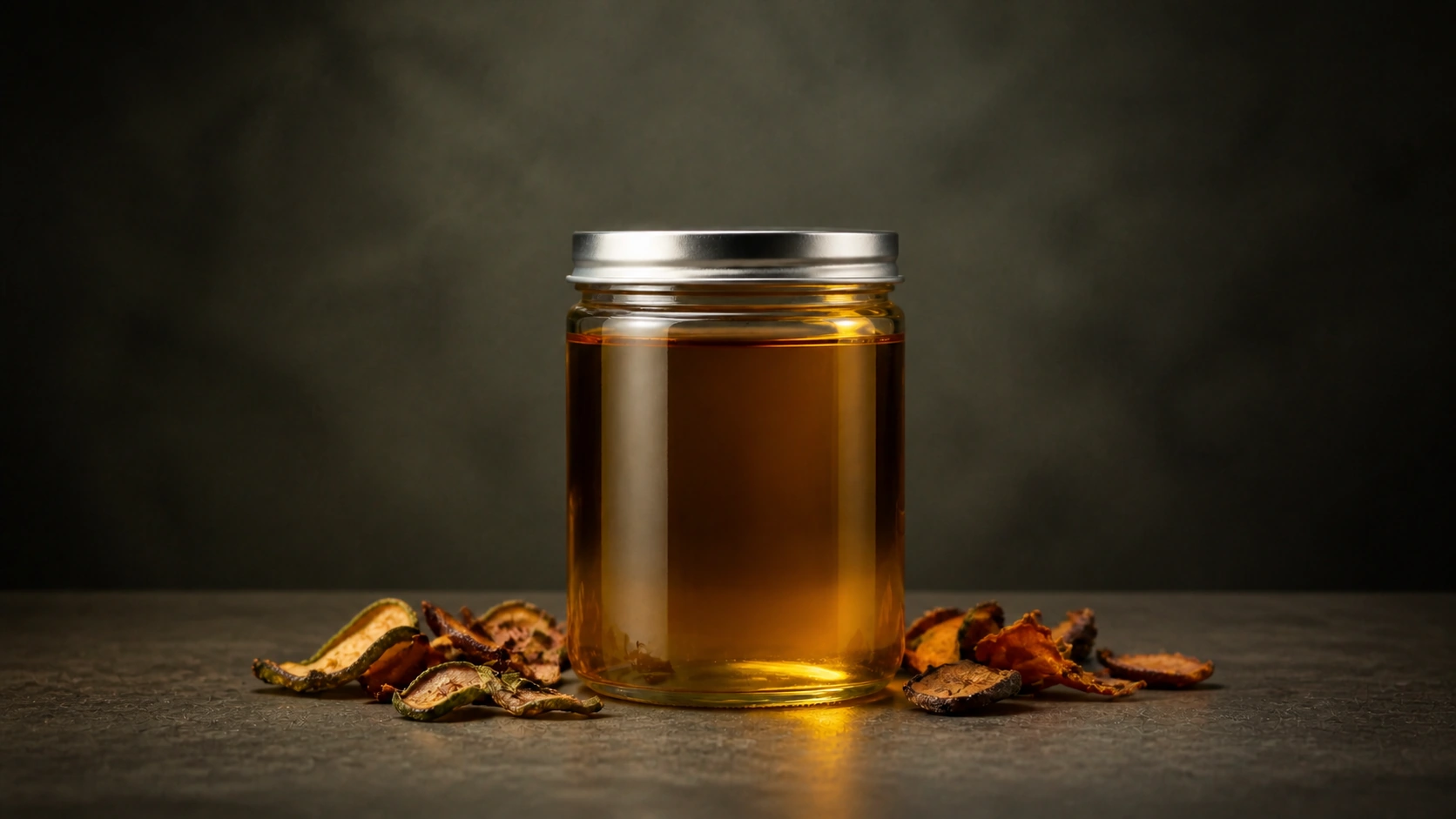
Used Cooking Oil (UCO)
Used cooking oil is the highest-value waste feedstock in the biofuel market, qualifying under RED II Annex IX for double counting. Frying degrades it, so free fatty acid, polymer content and moisture are confirmed per source.
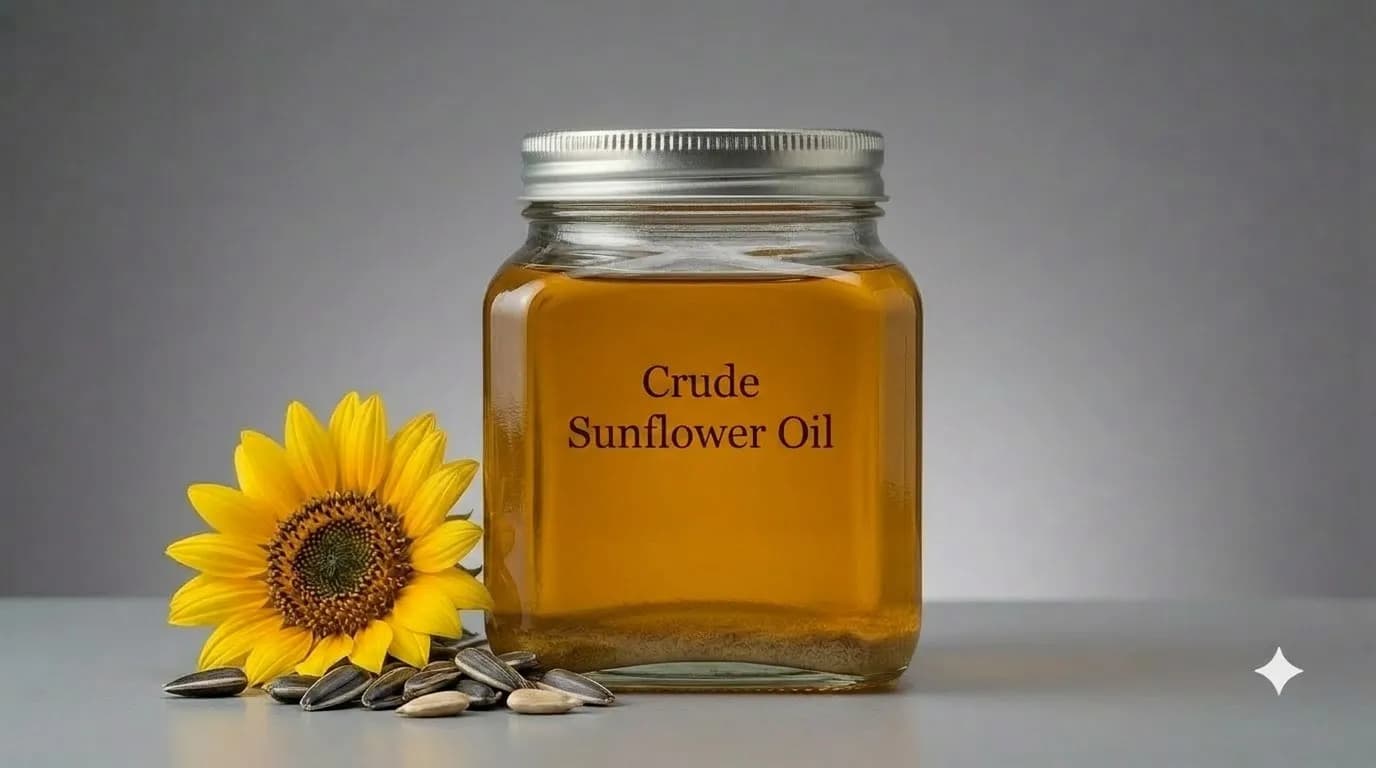
Crude Sunflower Oil
Crude sunflower oil is supplied in two distinct types for fuel use. Standard high-linoleic seed gives good cold flow but weak oxidation stability; high-oleic seed reverses both, and the two are not interchangeable in a specification.
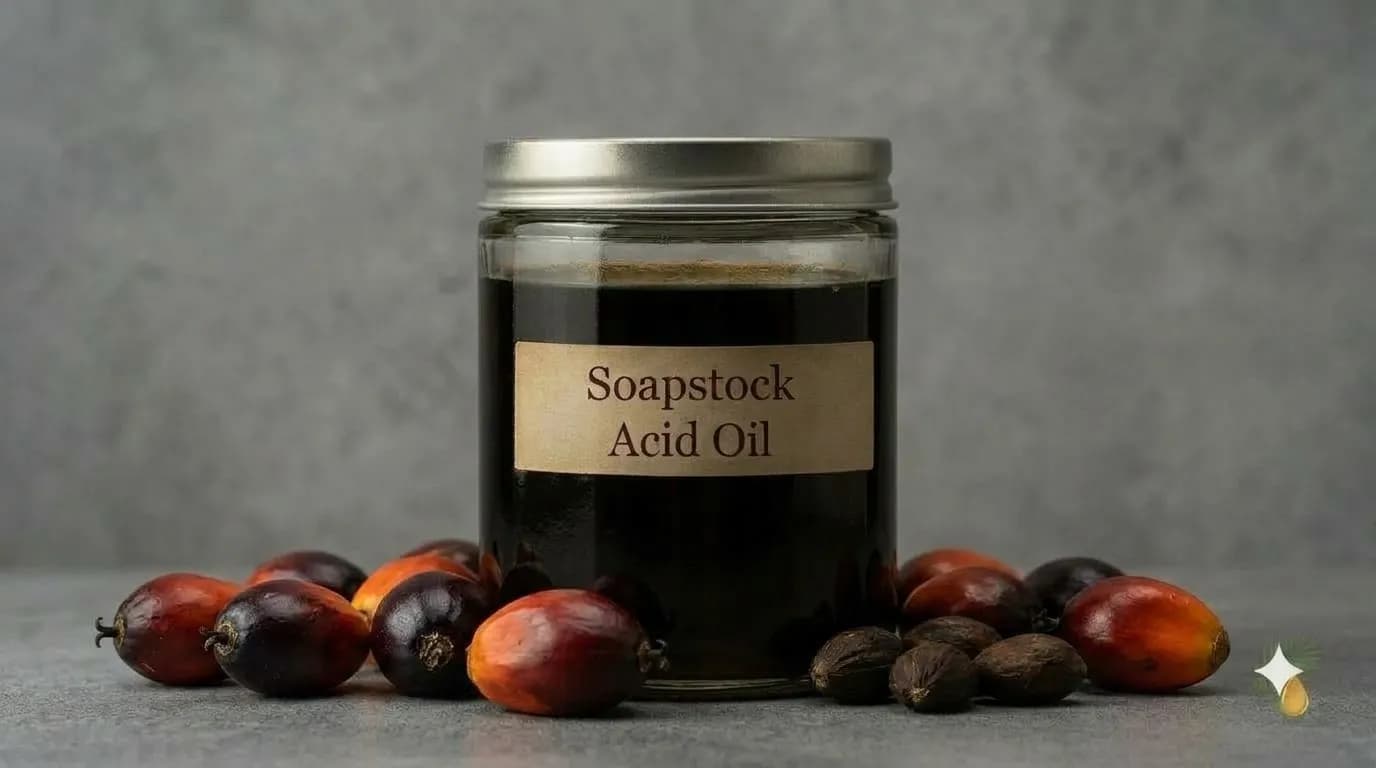
Soapstock Acid Oil
Soapstock acid oil is the generic acidulated refinery residue, made from whatever oils a refinery was processing. It is the cheapest fatty feedstock available and the most variable, so it is always bought against a lot analysis.
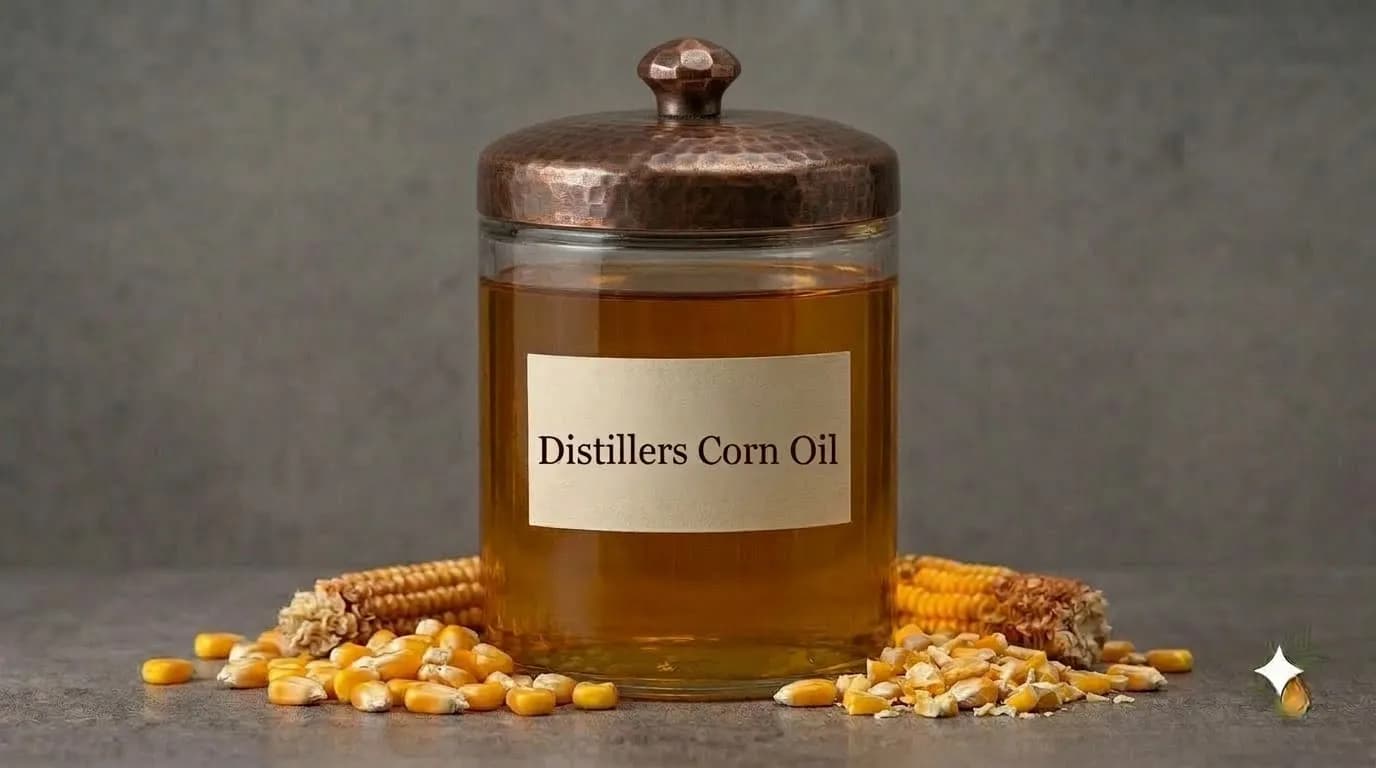
Distillers Corn Oil
Distillers corn oil is recovered from the stillage of dry-mill ethanol plants, after the starch has already been fermented. Because it is a residue rather than a crop, it qualifies as a waste-based feedstock under most incentive schemes.
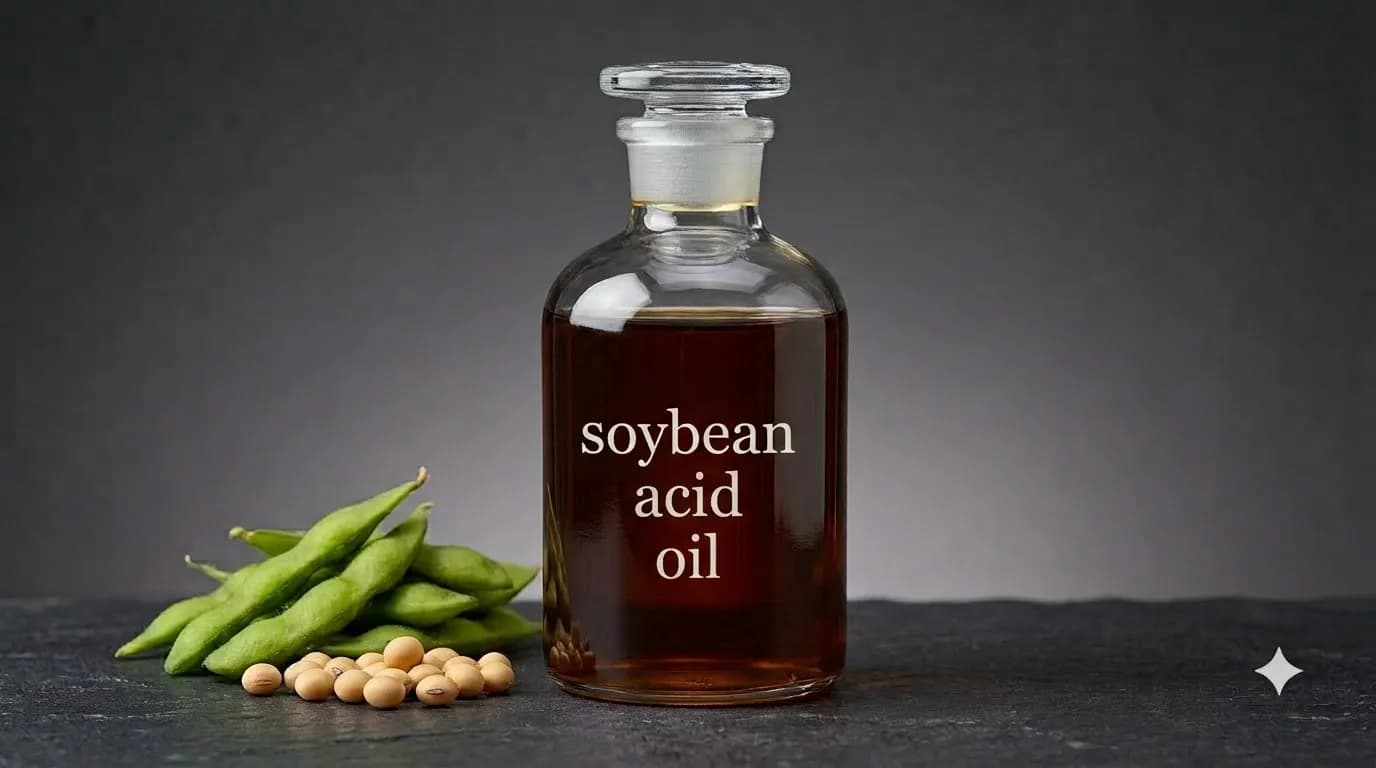
Soybean Acid Oil
Soybean acid oil is the acidulated soapstock from soybean refining. It is the cheapest route to a soybean-derived ester, but its high polyunsaturate content gives the resulting fuel poor oxidation stability.
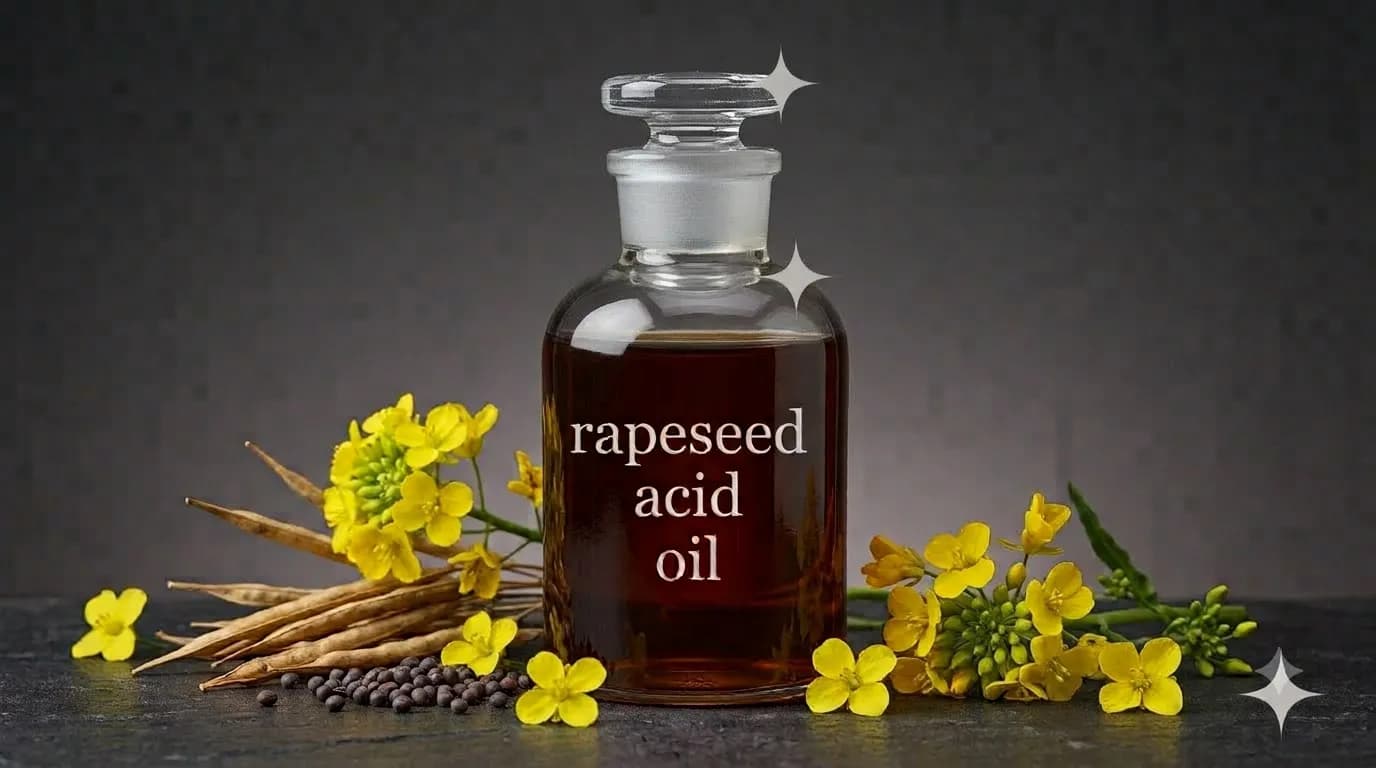
Rapeseed Acid Oil
Rapeseed acid oil is recovered by acidulating the soapstock from rapeseed oil refining. As a residue stream it qualifies as waste-based feedstock, and its high free fatty acid content routes it to acid esterification rather than the alkali process.
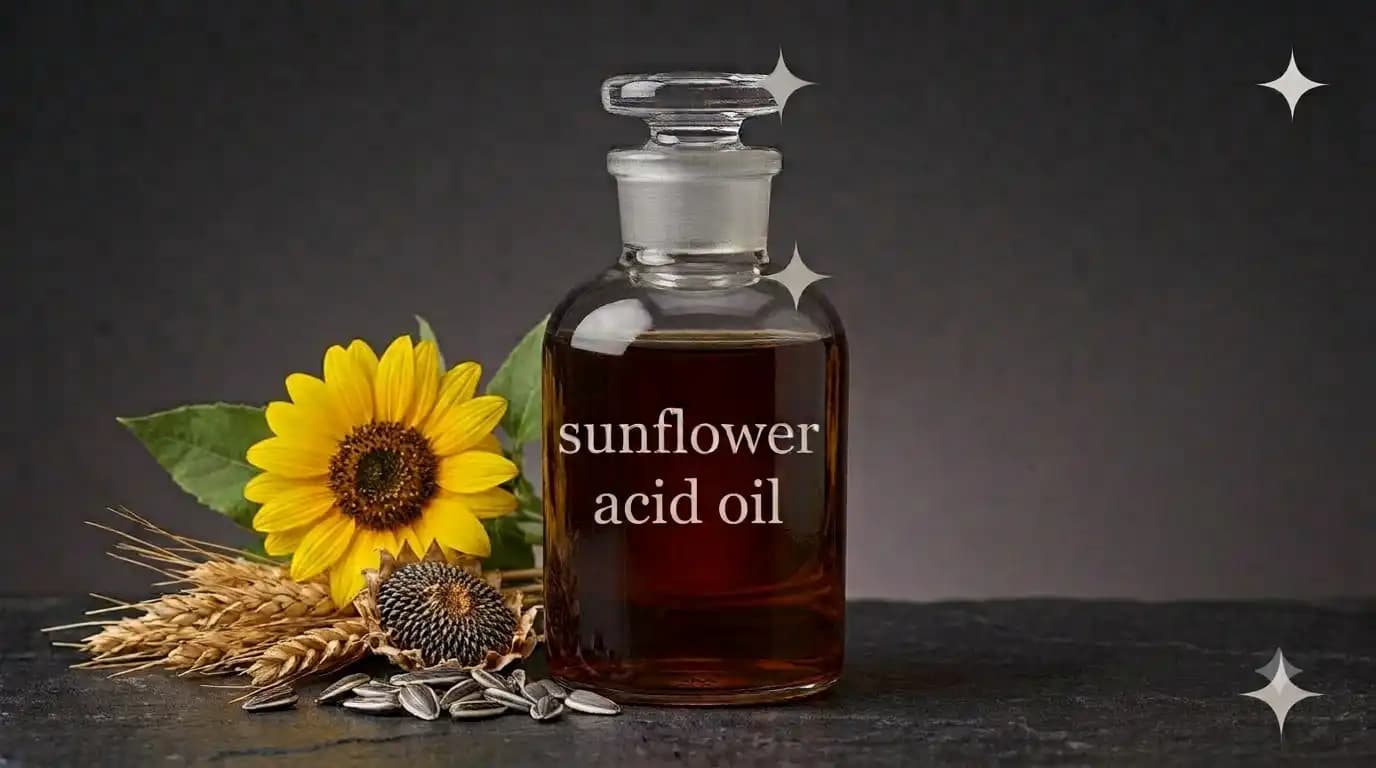
Sunflower Acid Oil
Sunflower acid oil is the acidulated soapstock from sunflower oil refining. It is generally paler and lower in phosphatides than soybean or rapeseed acid oil, which makes it marginally cleaner to process.
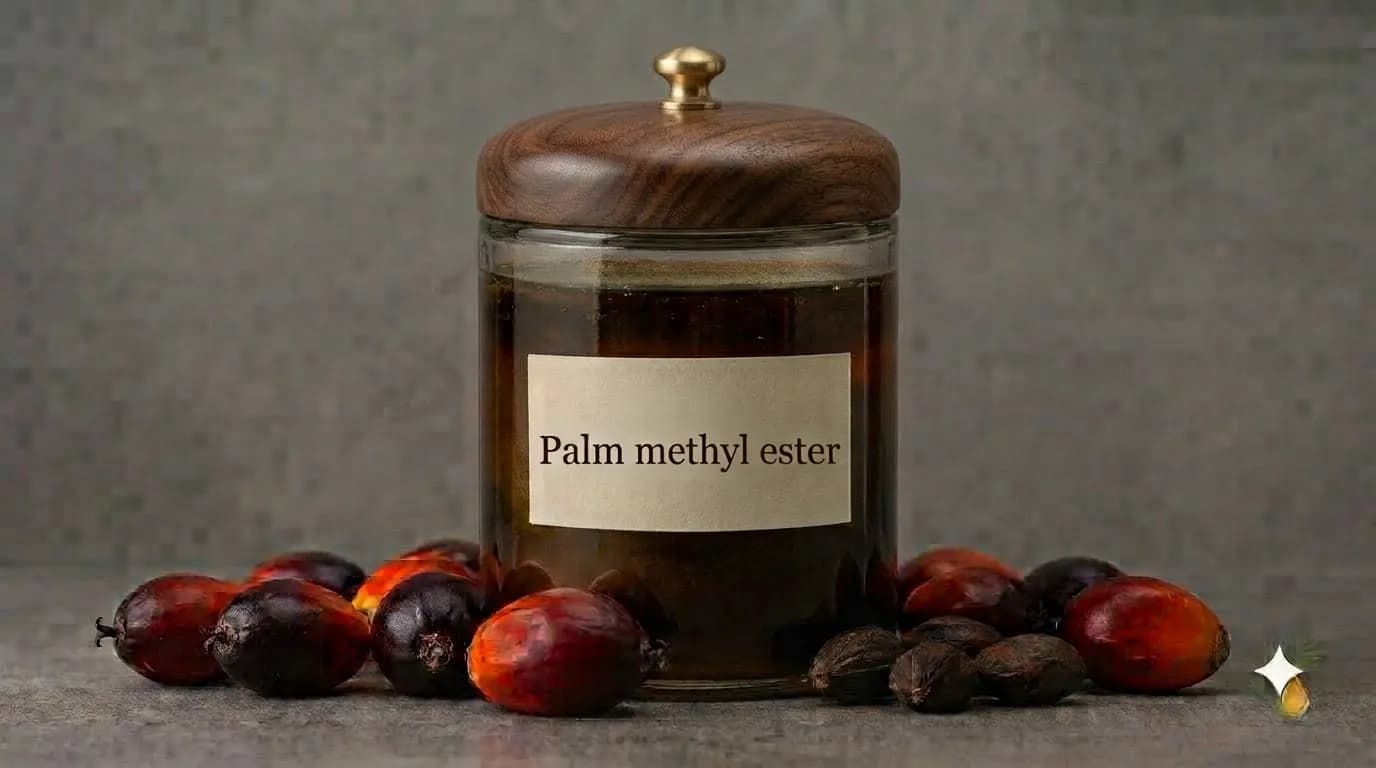
Palm Methyl Ester
Palm methyl ester is finished biodiesel, produced by transesterifying palm oil with methanol. It offers one of the highest cetane numbers and best oxidation stabilities of any FAME, with cold-flow behaviour as its limiting property.
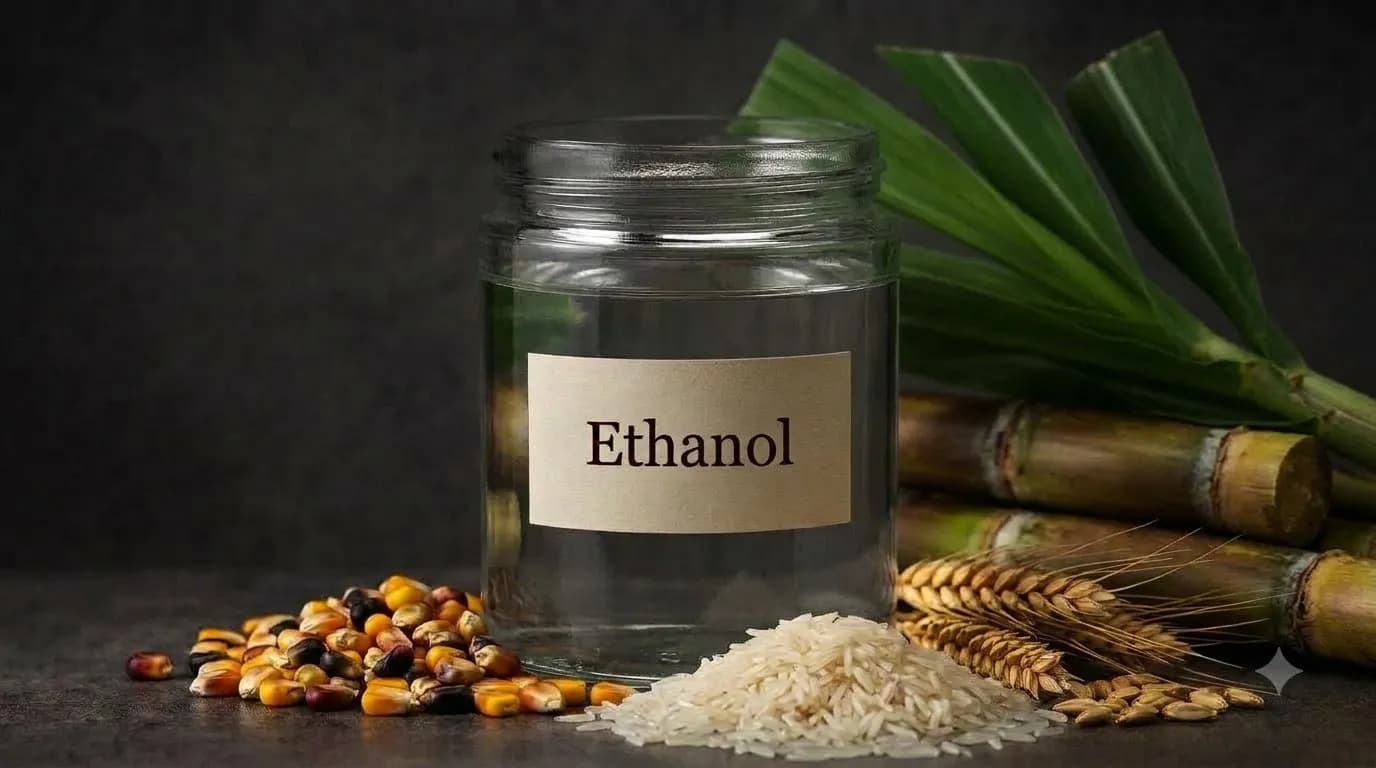
Ethanol
Fuel ethanol is produced by fermenting sugar or starch crops and is blended into gasoline at 5 to 85 percent. It raises octane and adds oxygen to the fuel, but its affinity for water sets the rules for how it must be handled.
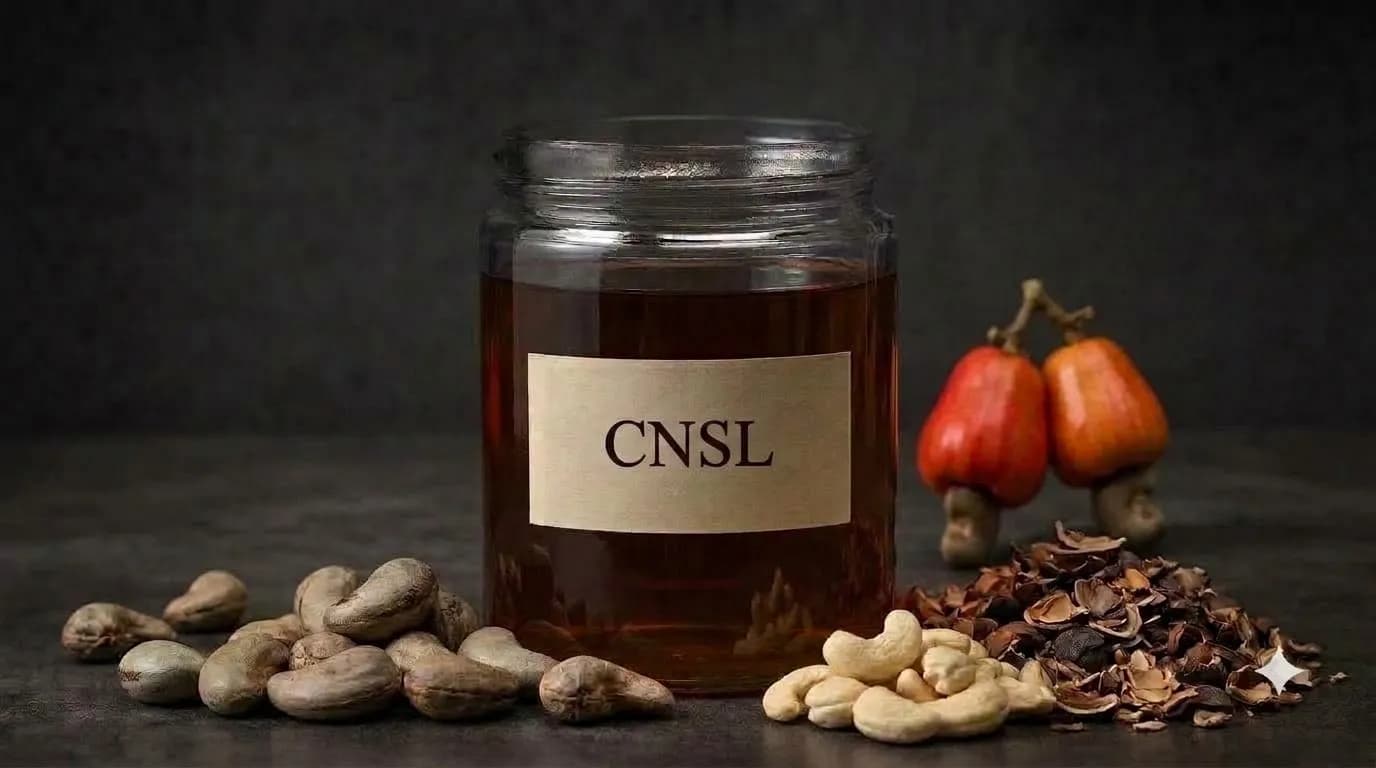
Cashew Nut Shell Liquid (CNSL)
Cashew nut shell liquid is a renewable phenolic oil from cashew processing, not a triglyceride. It cannot be transesterified like a vegetable oil, and is used instead as a bio-based fuel oil, blend component and chemical feedstock.
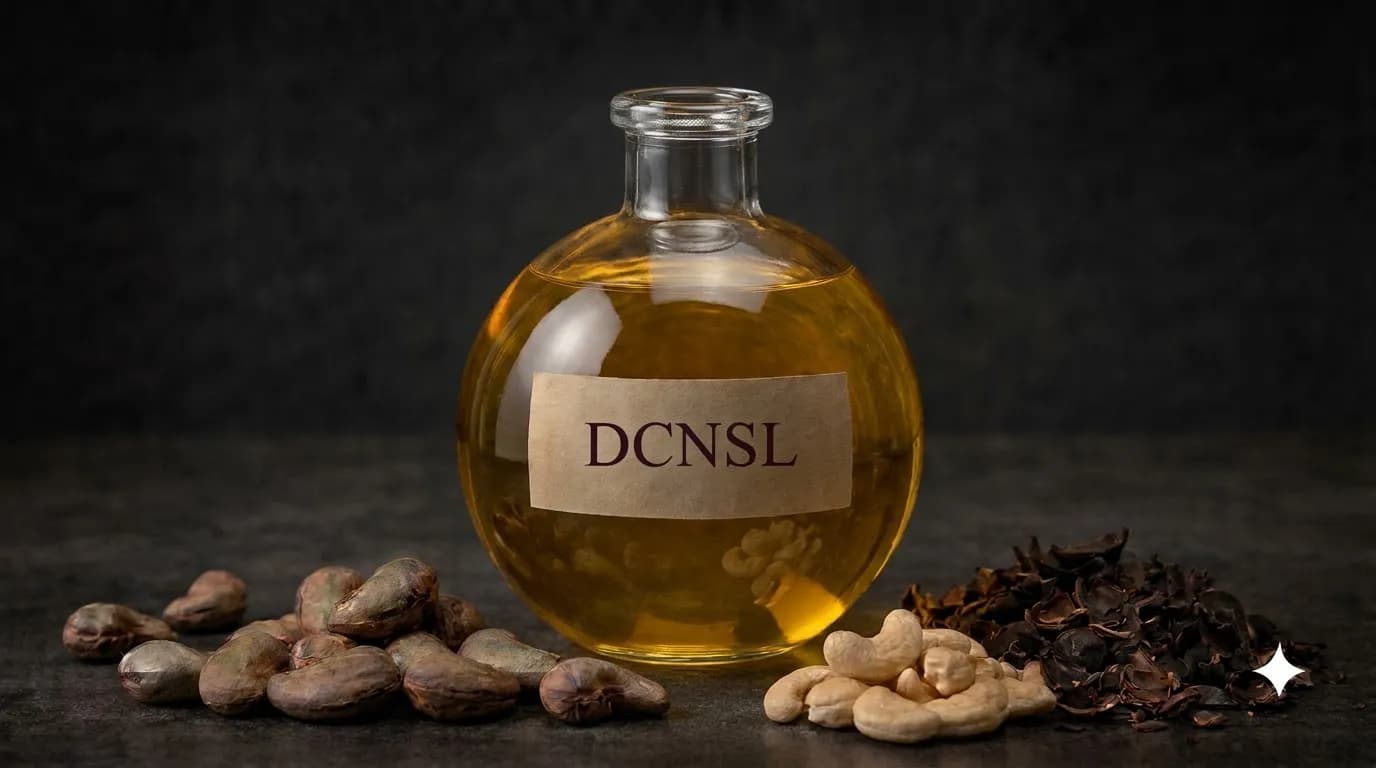
Decarboxylated Cashew Nut Shell Liquid (DCNSL)
DCNSL is cashew nut shell liquid heat-treated so its anacardic acid converts to cardanol and releases carbon dioxide. Removing that unstable acid group gives a lower-acidity, thermally stable renewable liquid for fuel and resin use.
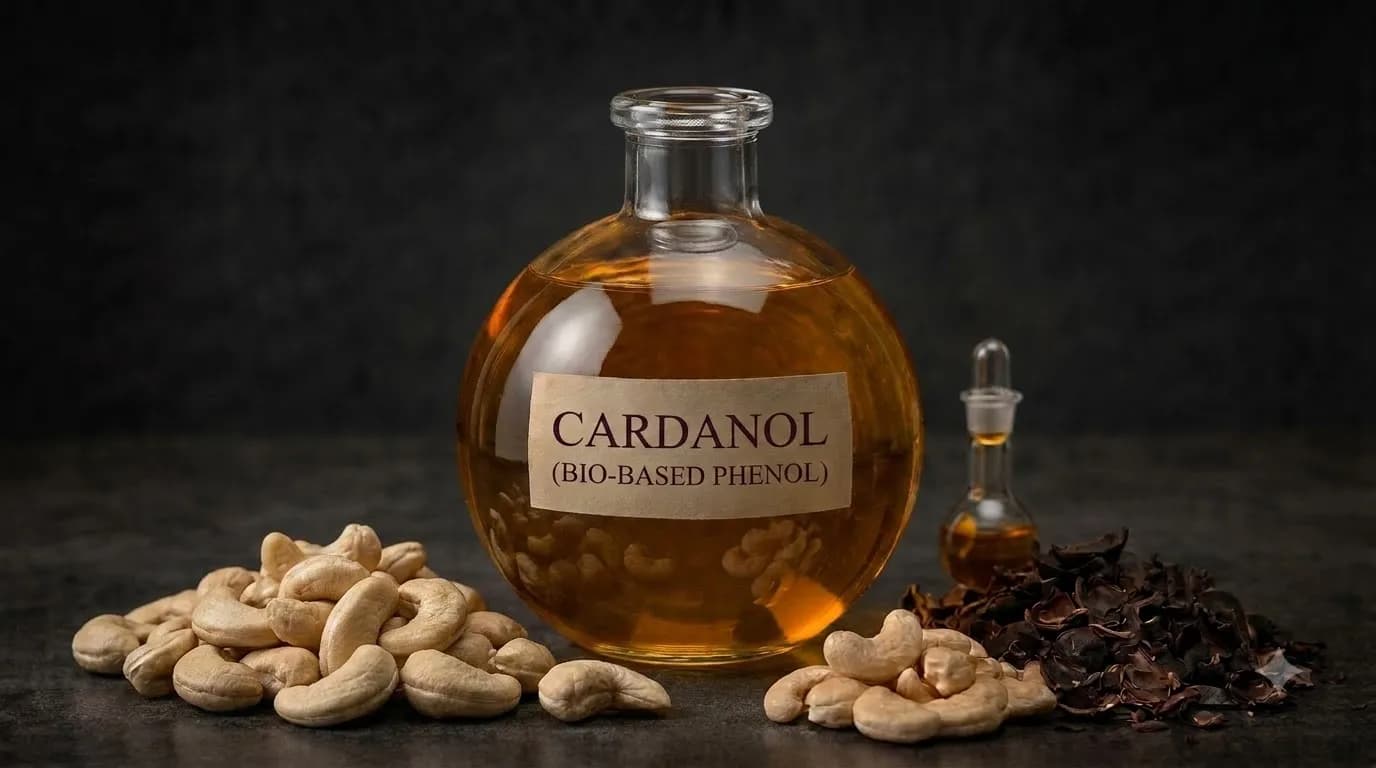
Cardanol (Bio‑Based Phenol)
Cardanol (CAS 37330-39-5) is the distilled phenolic fraction of cashew nut shell liquid. In fuel applications it is a renewable blend component and additive base rather than a biodiesel feedstock, since it carries no glyceride to transesterify.
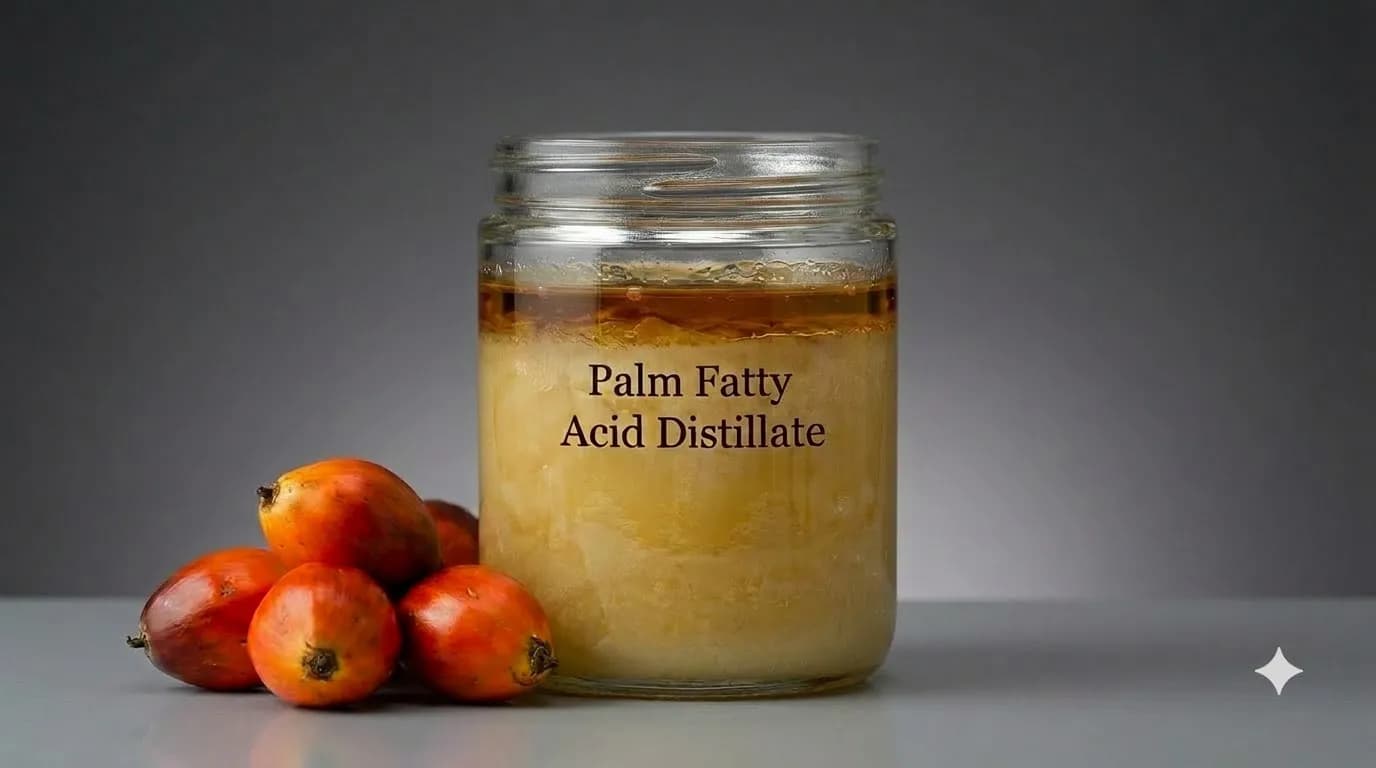
Palm Fatty Acid Distillate (PFAD)
Palm Fatty Acid Distillate (PFAD), rich in free fatty acids, is an abundant and low‑cost feedstock converted via esterification and transesterification into biodiesel (FAMEs) or hydrotreated renewable diesel (HVO), making it a critical waste‑derived resource for sustainable energy production.
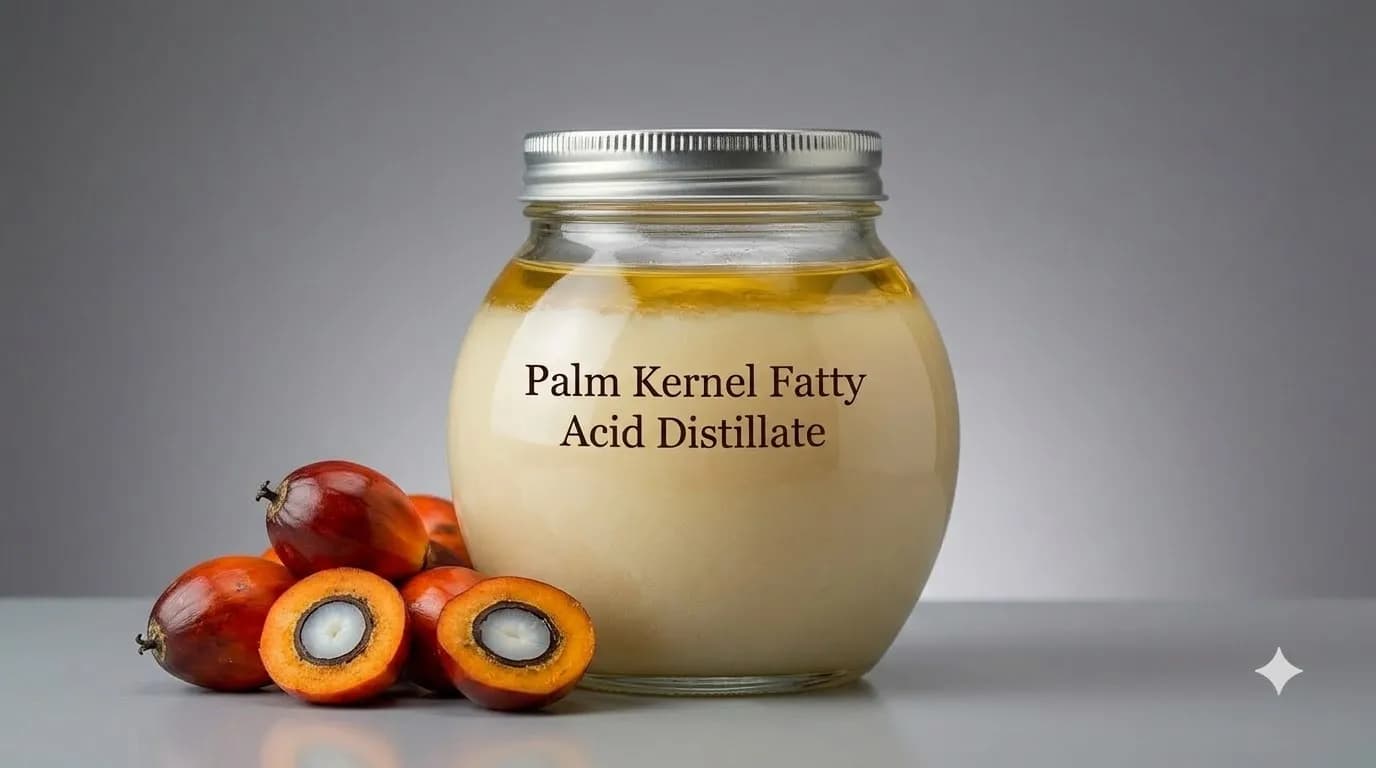
Palm Kernel Fatty Acid Distillate (PKFAD)
PKFAD is the deodoriser distillate from palm kernel oil refining, rich in lauric and myristic acids. As a processing residue at high free fatty acid content, it is a low-cost esterification feedstock for biodiesel and renewable diesel.
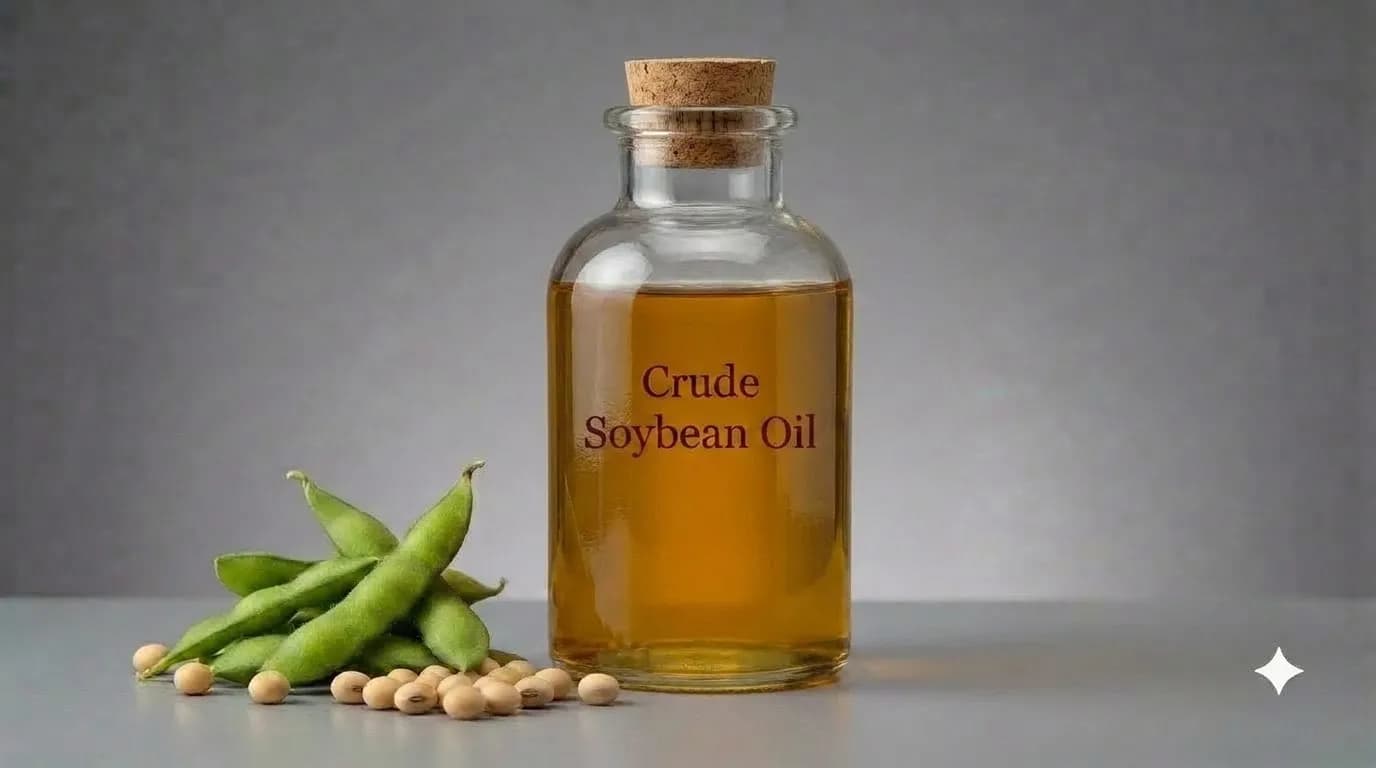
Crude Soybean Oil
Crude soybean oil is the dominant biodiesel feedstock in the Americas. Its high linoleic content gives good cold-flow properties but the weakest oxidation stability of the major feedstocks, so antioxidant treatment is standard.
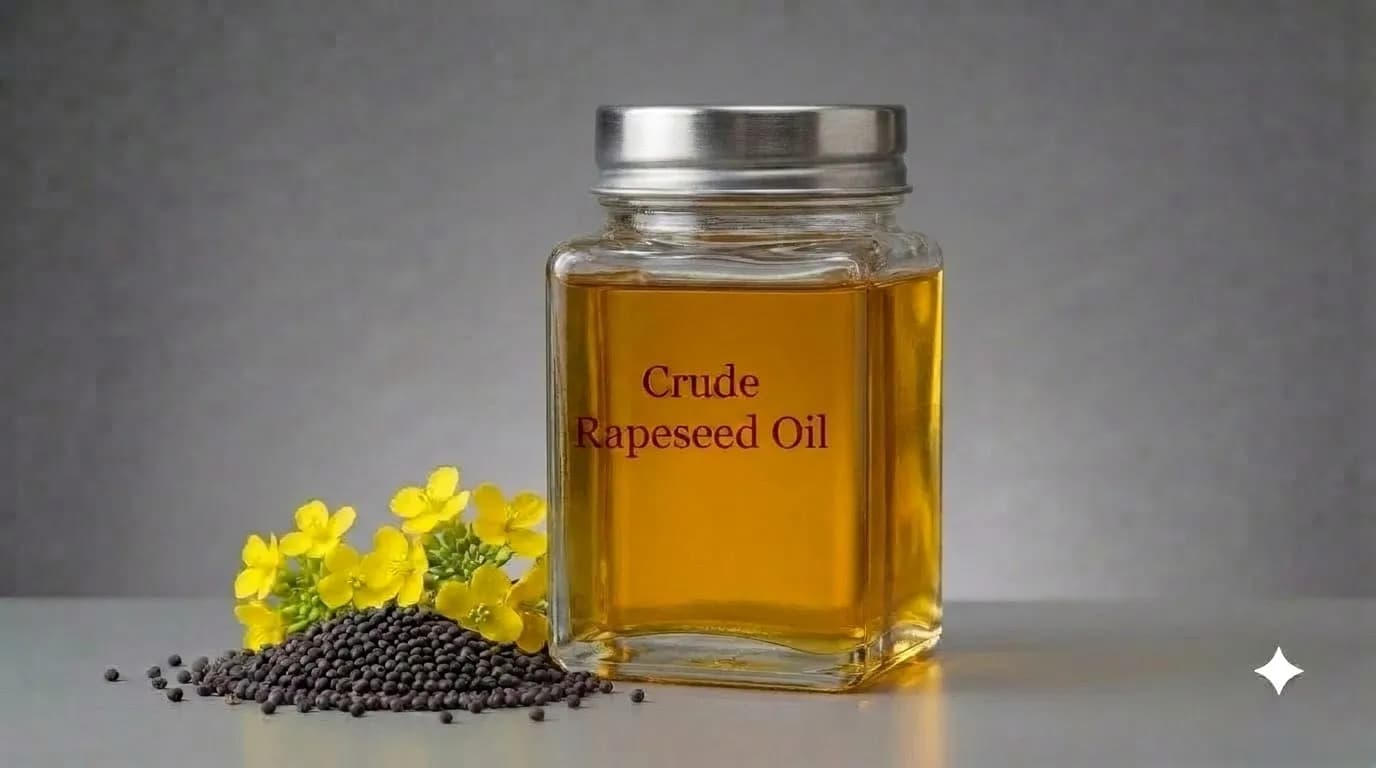
Crude Rapeseed Oil
Crude rapeseed oil is the reference biodiesel feedstock in Europe. Its high oleic and low saturated content give rapeseed methyl ester the best cold-flow behaviour of any major FAME, which is why it dominates in temperate markets.
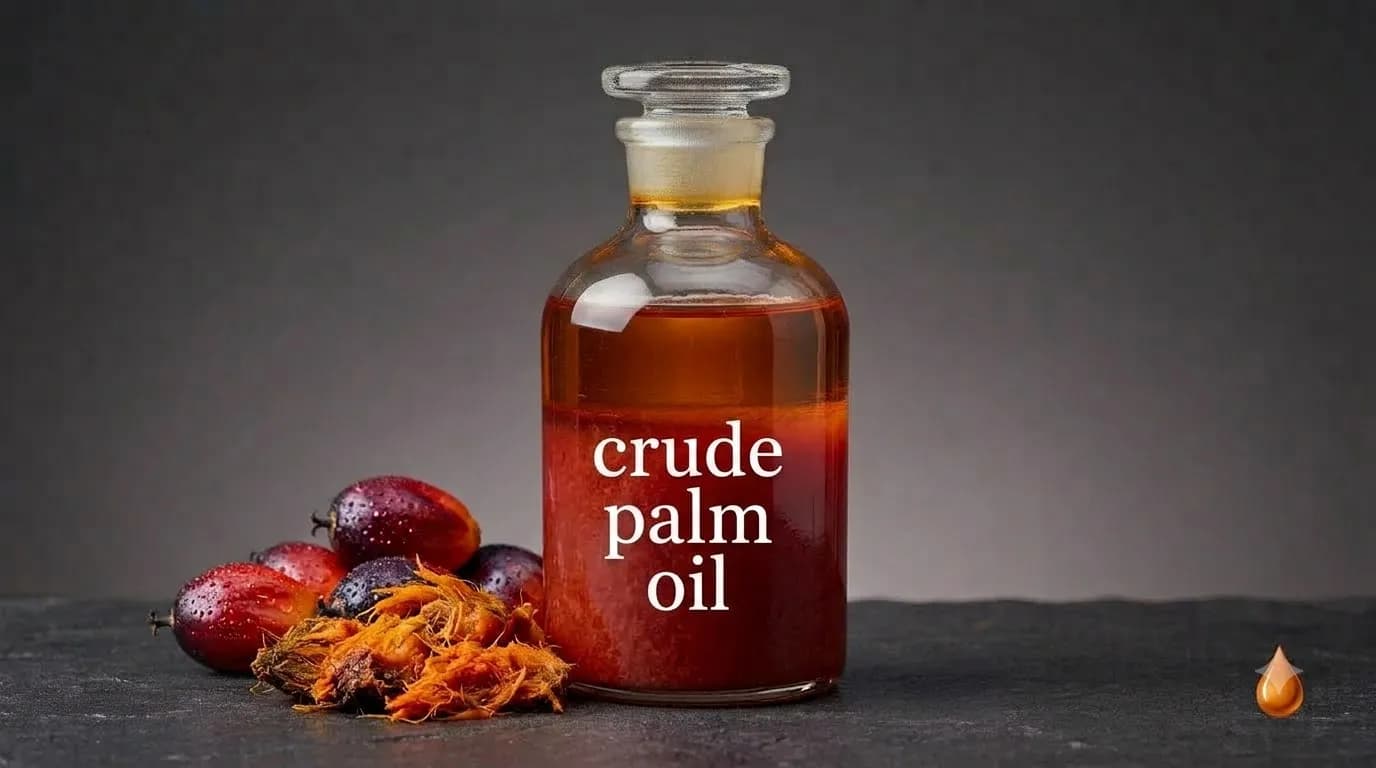
Crude Palm Oil
Crude palm oil is the highest-yielding biodiesel feedstock per hectare of any oil crop. Its saturated profile gives an unusually high cetane number and excellent oxidation stability, at the cost of poor cold-flow behaviour.
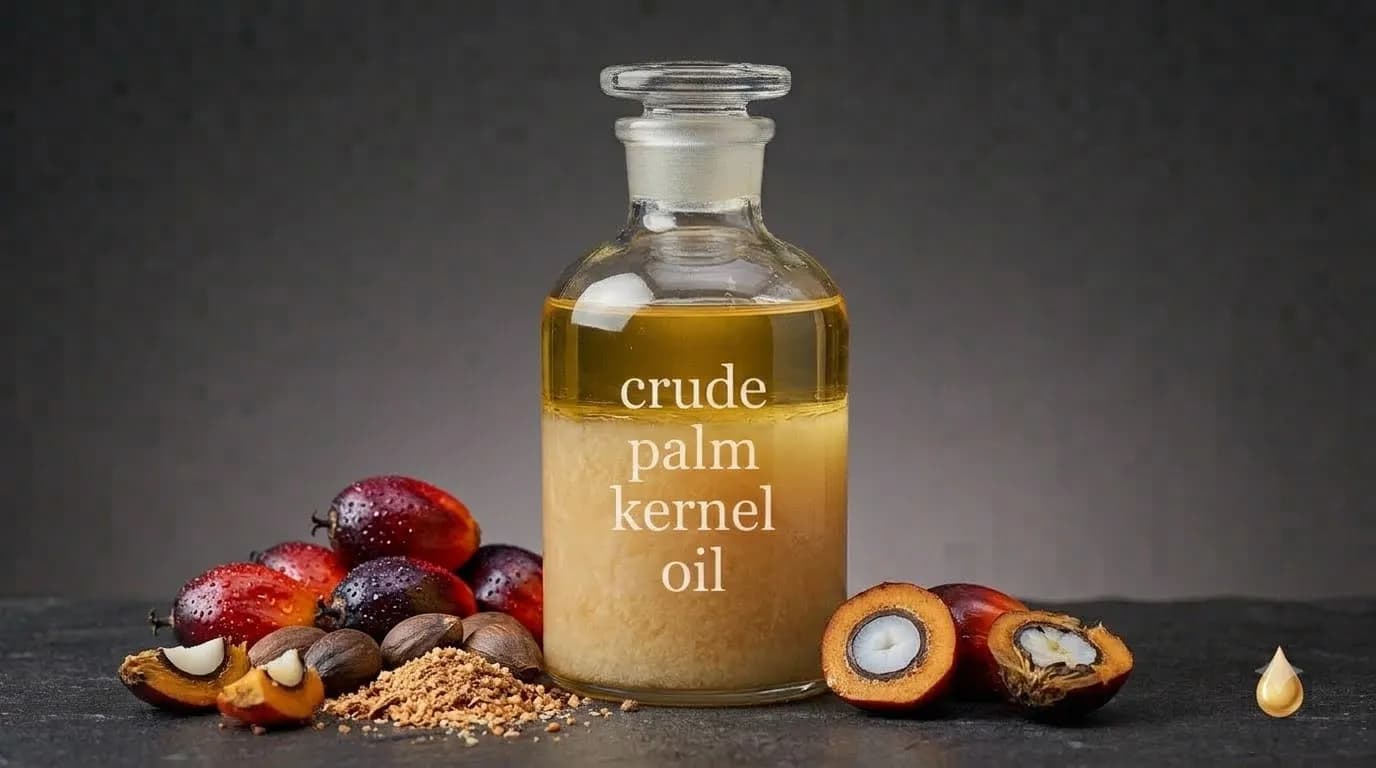
Crude Palm Kernel Oil
Crude palm kernel oil comes from the seed of the oil palm fruit, not the pulp, and is a lauric oil. Its short C12 and C14 chains give the highest cetane number and the lowest cloud point of the palm-derived fuel feedstocks.
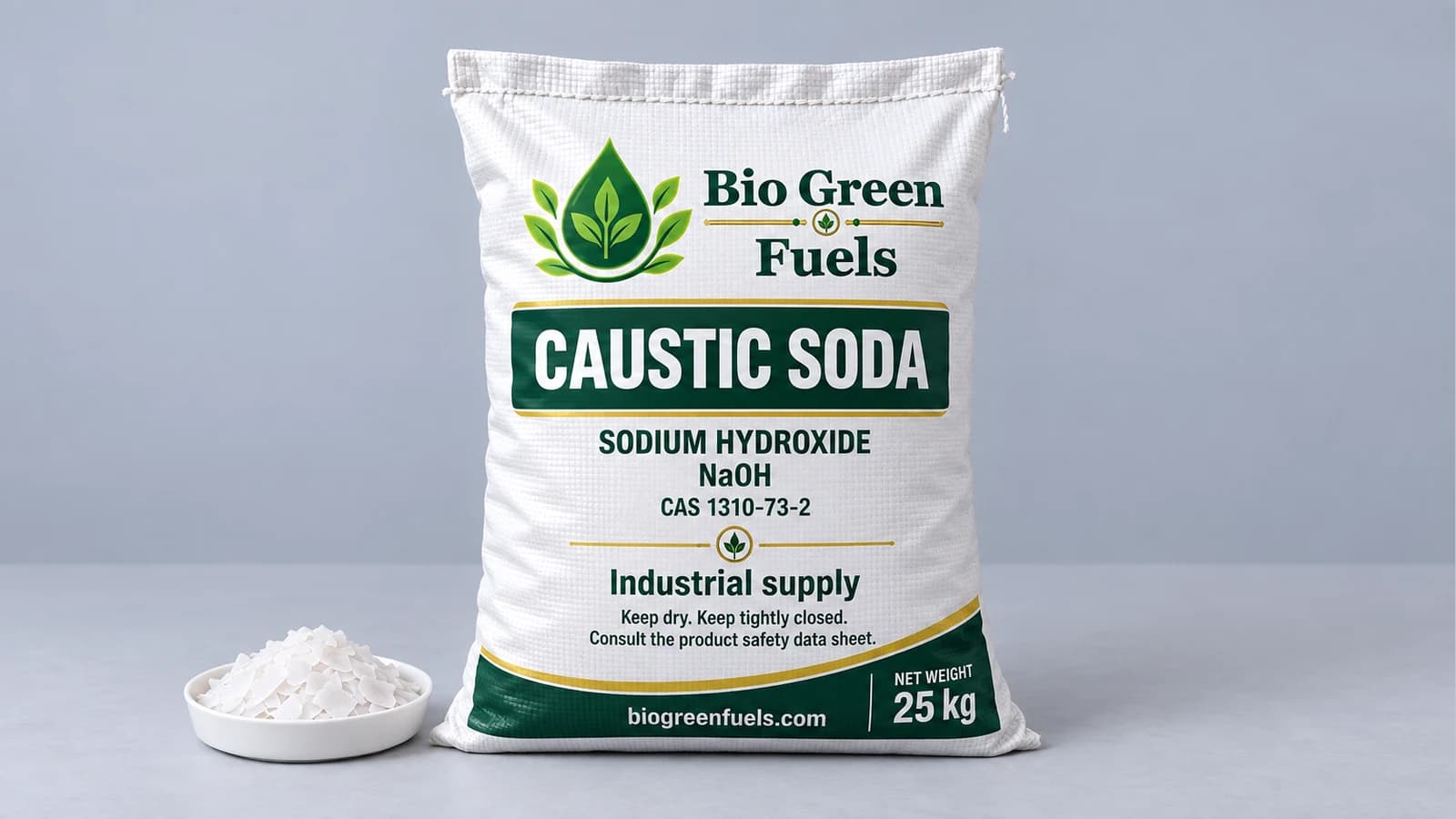
Caustic Soda (NaOH)
Technical grade sodium hydroxide pearls and flakes at 99 percent minimum, the base catalyst for biodiesel transesterification. Dissolved in methanol it forms the sodium methoxide that actually drives the reaction.