Waste-Based Feedstock
Used Cooking Oil, POME and Acid Oils.
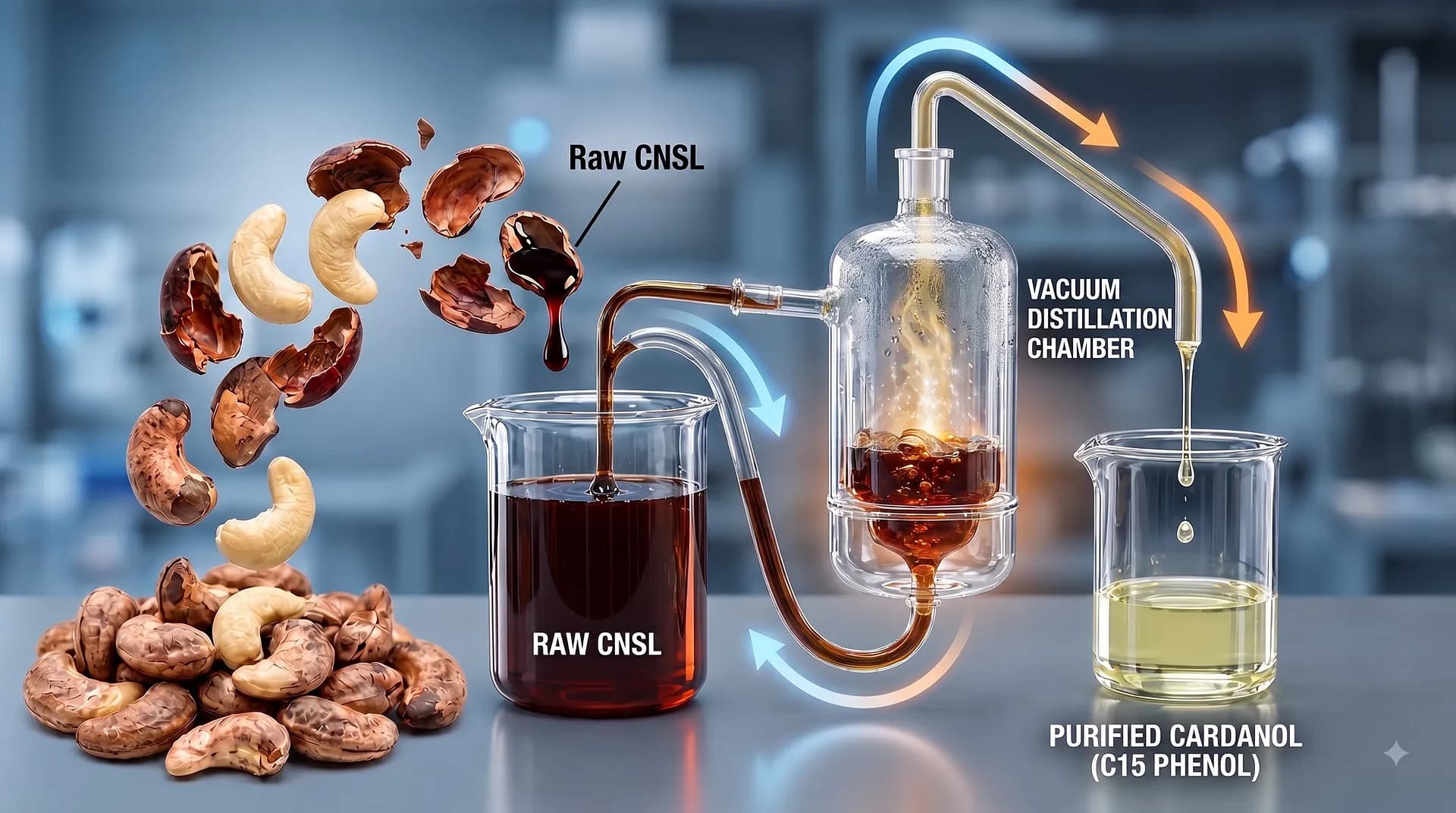
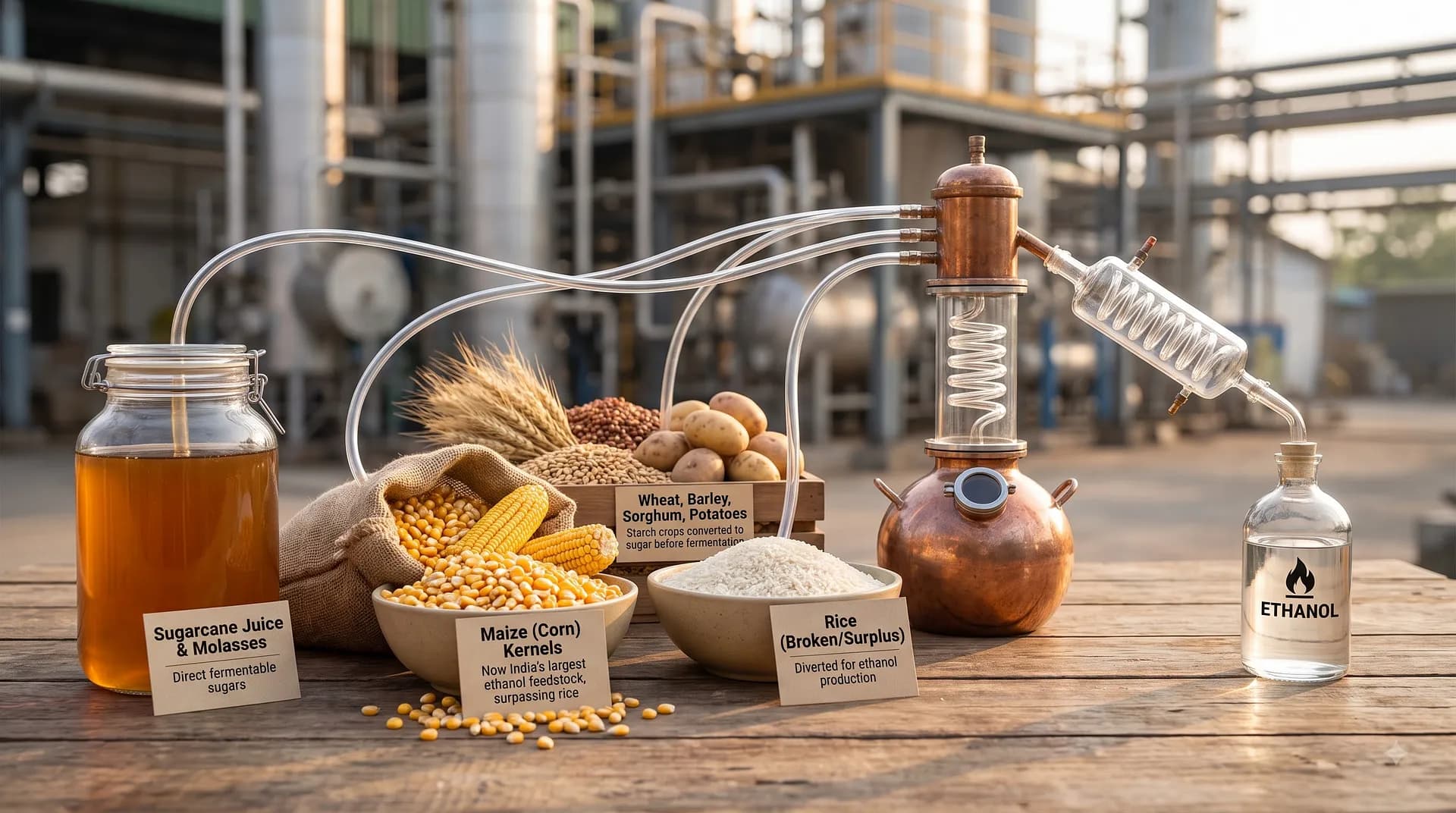
Sugarcane juice, molasses, maize, rice, and other starch crops serve as sustainable feedstocks for ethanol production. These agricultural resources power the transition to cleaner biofuels, reducing dependence on fossil energy and supporting a circular, low‑carbon economy.
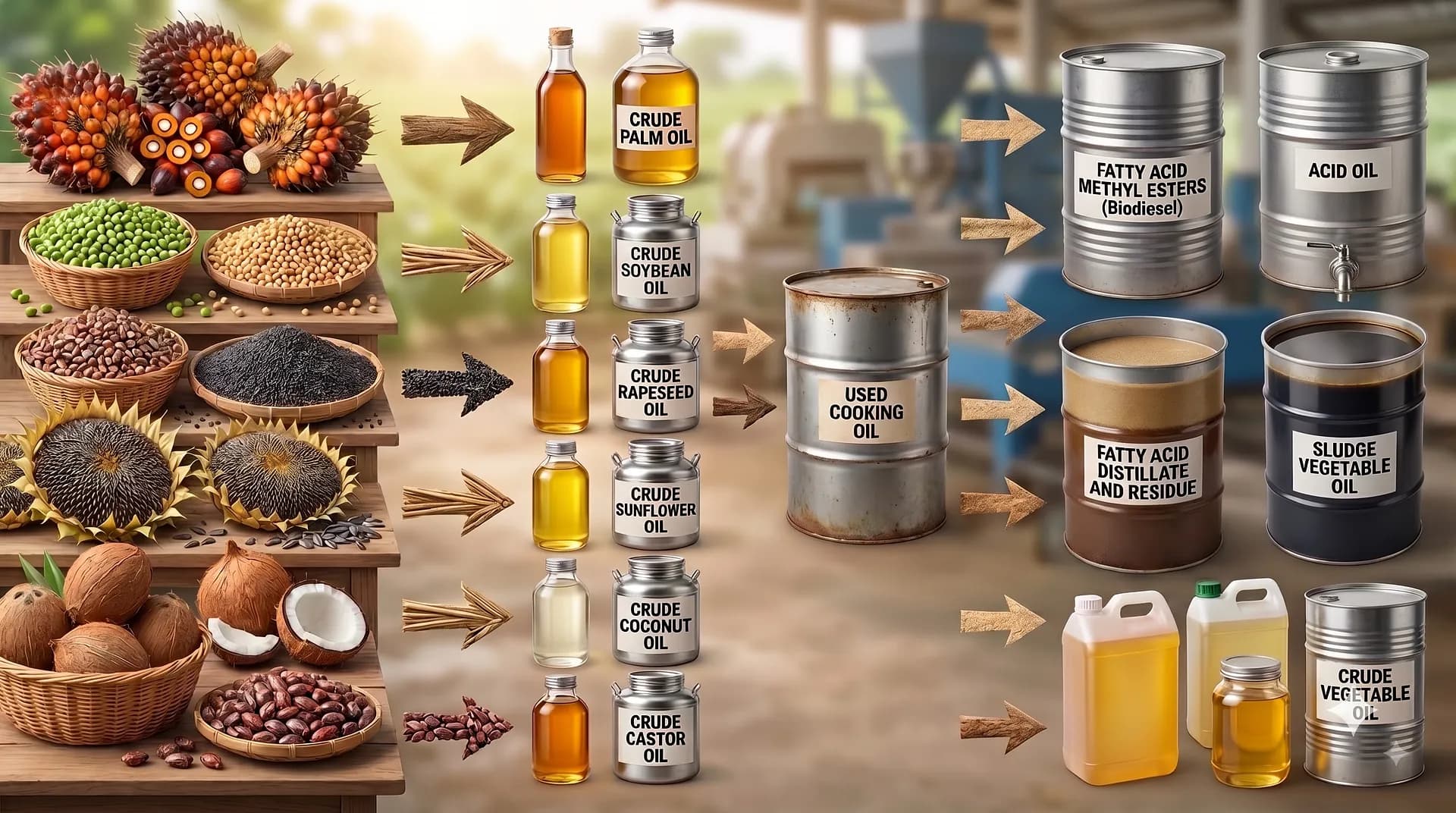
Crude vegetable oils, used cooking oil, and refining by‑products such as PFAD, acid oil, and sludge oils serve as essential feedstocks for Fatty Acid Methyl Esters (FAME) biodiesel. These renewable and cost‑effective sources drive sustainable fuel manufacturing and circular energy recovery.
Three feedstock families for renewable fuel producers - each leading directly to grades, specifications, documents, samples, and quotation support.
Used Cooking Oil, POME and Acid Oils.
Crude Palm Oil, Crude Palm Kernel Oil, Soybean Oil, Rapeseed Oil, Sunflower Oil.
PFAD, PKFAD, Distillates, Fatty Acid Residues, Spent Bleaching Earth Oil.
ISCC chain-of-custody, sustainability declarations, specification sheets, third-party inspection reports.
Feedstock buying is a specification and compliance exercise, not a commodity click. We help refiners qualify material against FFA, moisture, impurities, unsaponifiables and sulphur limits, verify sustainability chain-of-custody, and secure repeatable volumes at the loading ports that suit their logistics.
We help buyers select suitable grades based on melting point, oil content, iodine value, SFC, FFA, peroxide value, hardness, texture, application, and end-use performance.
COA, SDS/MSDS, TDS, specification sheets, origin details, and compliance documents can be shared where applicable depending on product, grade, and source.
We support sourcing from selected refineries and manufacturing partners across multiple origins, helping buyers compare product grades, packing formats, MOQ, and lead times.
We support laboratory evaluation, sample dispatch, trial quantities, commercial shipment planning, export documentation, and international logistics coordination.
A clear 5-step B2B support journey - from product enquiry to grade recommendation, documents, sample evaluation and shipment coordination.
Product, application, quantity and destination.
Grade matching by technical parameters.
COA, SDS/MSDS, TDS and specifications.
Lab evaluation and trial-lot coordination.
Packing, shipment and export support.
Support for technical, procurement, R&D and compliance teams. Availability depends on product, grade, origin and supplier certification status.
Request DocumentsCOA
Batch quality
SDS / MSDS
Safety data
TDS
Technical data
Specification Sheet
Grade details
Origin / Supplier Declaration
Traceability
RSPO / REACH / Halal / Kosher where applicable
Where applicable
Supplying quality oils and waxes to diverse industries worldwide
Bio Green Fuels supports biodiesel producers with vegetable-oil feedstocks, acid oils, fatty acid distillates and processing residues selected against the buyer's technical specification. We review available analysis, origin information and product documentation before commercial confirmation. Our team coordinates samples, bulk-volume discussions, loading requirements and delivery planning with producers and pre-treatment partners. This helps buyers compare suitable feedstock options while keeping quality, documentation and logistics aligned with their production programme.
Bio Green Fuels supplies renewable raw materials for hydrotreated vegetable oil production, including vegetable oils, acid oils, distillates and selected processing residues. Feedstock suitability is considered against the buyer's operating specification, required quality parameters and intended processing route. Before supply, we coordinate available analysis, origin information, product documentation, sample review and commercial volumes. Logistics planning covers loading location, delivery format and shipment timing so refinery procurement teams can evaluate each opportunity efficiently.
Bio Green Fuels supports suitable sustainable aviation fuel pathways with renewable raw materials assessed by feedstock type, specification, source and available documentation. Our portfolio includes vegetable-oil feedstocks, acid oils, distillates and selected residues that may be considered for approved conversion routes. We help procurement and technical teams review analysis, sample requirements, origin information, commercial volumes and logistics before contracting. Final suitability, pathway eligibility and sustainability acceptance remain subject to the producer's technology, certification framework and applicable requirements.
Bio Green Fuels supplies CNSL, decarboxylated CNSL, cardanol, fatty acid distillates and related renewable raw materials for oleochemical and bio-based chemical processing. Product selection is guided by the buyer's specification, intended reaction or formulation route and required quality parameters. We coordinate samples, available analysis, origin information, packaging or bulk requirements and delivery planning. This gives processors a clearer basis for evaluating renewable inputs for resins, coatings, friction materials, surfactants and other industrial applications.
Bio Green Fuels works with facilities that filter, separate, dry, refine or blend renewable feedstocks before conversion. Materials can include vegetable oils, acid oils, fatty acid distillates and selected processing residues that require conditioning to meet downstream specifications. We share available analysis and source information so pre-treatment partners can assess parameters such as moisture, impurities, acidity and handling requirements. Commercial coordination covers samples, intake specifications, bulk volumes, loading points and delivery schedules for efficient feedstock planning.
Bio Green Fuels supplies industrial ethanol and selected renewable blend components for suitable B2B industrial and fuel applications. Each enquiry is reviewed against the required grade, specification, end use, destination and applicable handling requirements. Our team coordinates available analysis, sample requests, packaging or bulk format, commercial volumes and delivery planning. Buyers can discuss ethanol and compatible blend-component requirements with a single contact while final product acceptance remains subject to their technical and regulatory criteria.
Refinery-grade feedstock qualified against your specification
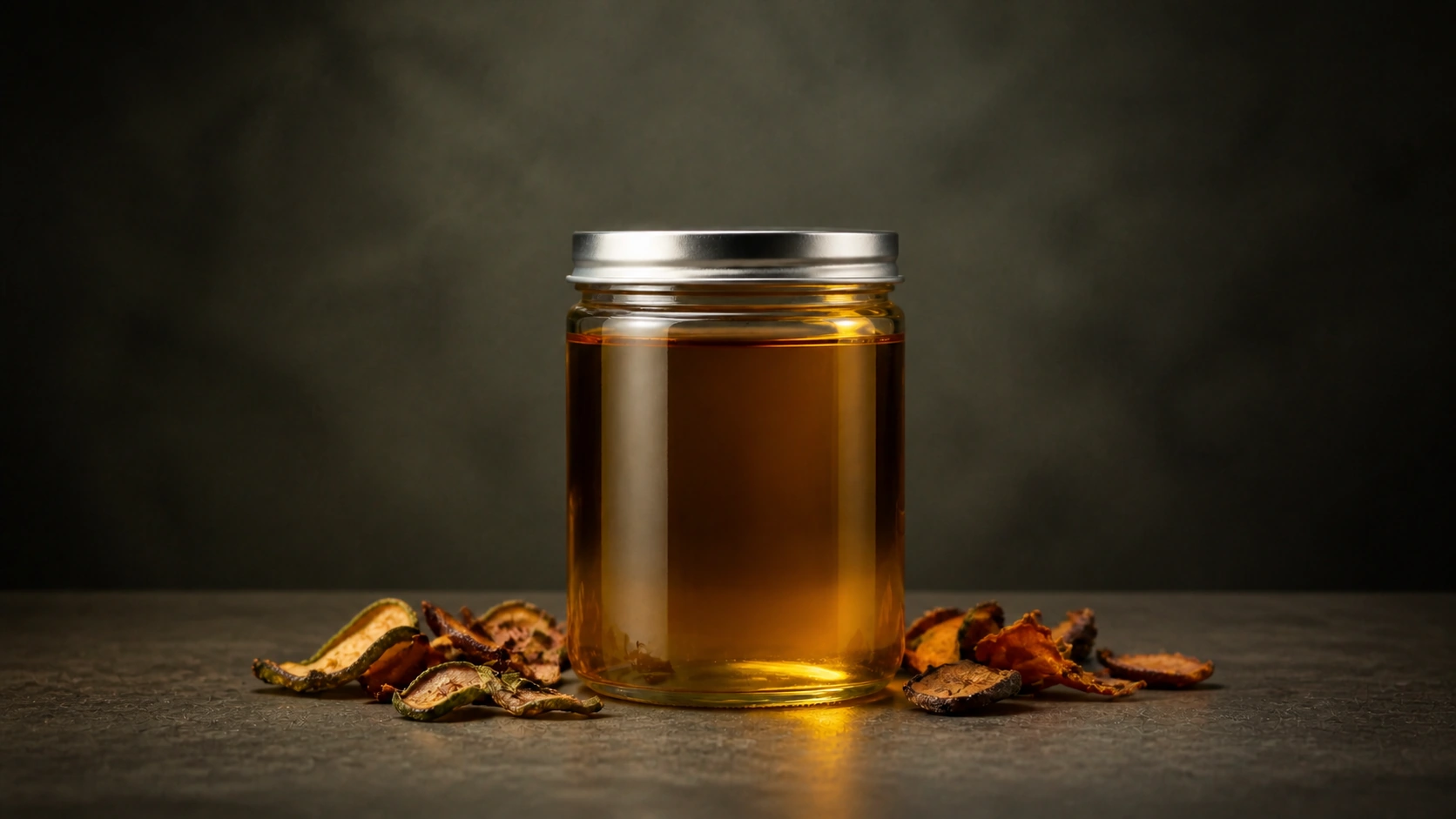
Used cooking oil is the highest-value waste feedstock in the biofuel market, qualifying under RED II Annex IX for double counting. Frying degrades it, so free fatty acid, polymer content and moisture are confirmed per source.
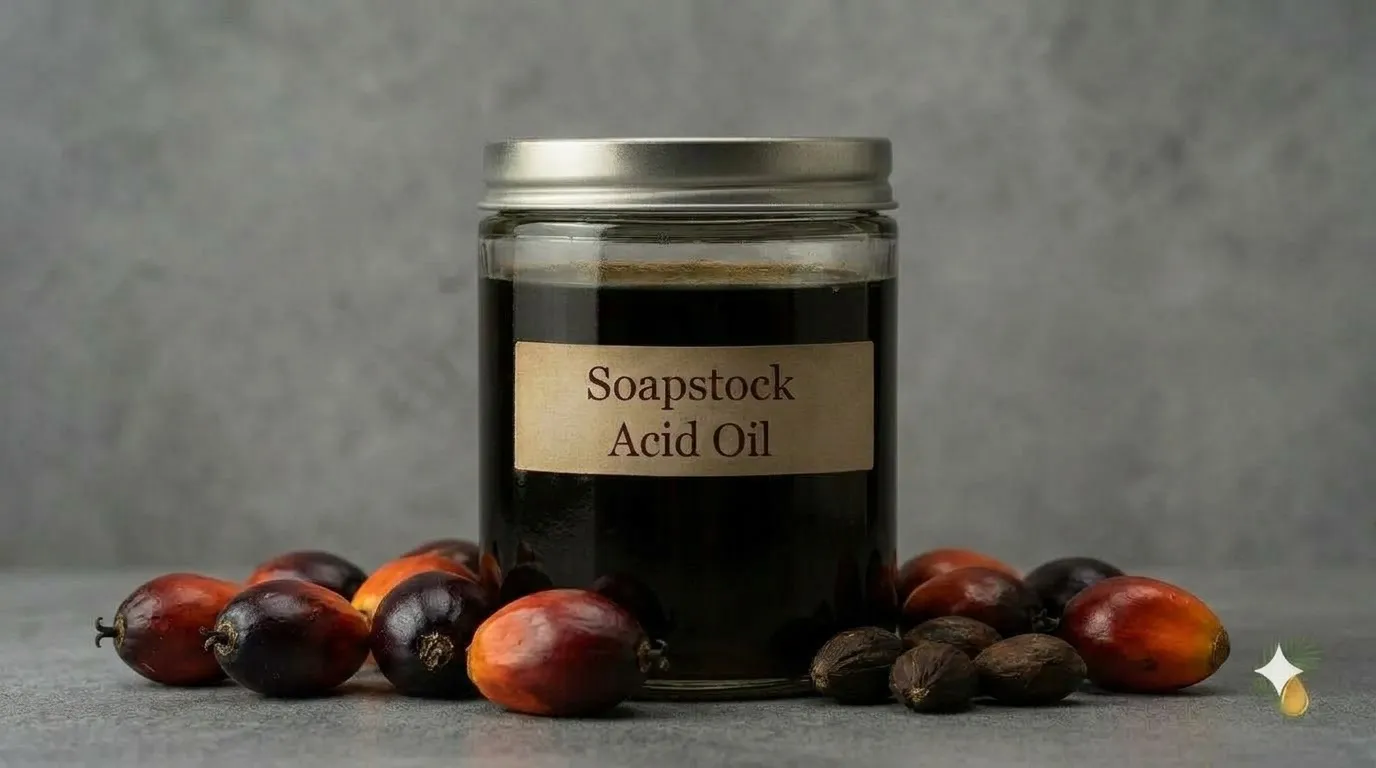
Soapstock acid oil is the generic acidulated refinery residue, made from whatever oils a refinery was processing. It is the cheapest fatty feedstock available and the most variable, so it is always bought against a lot analysis.
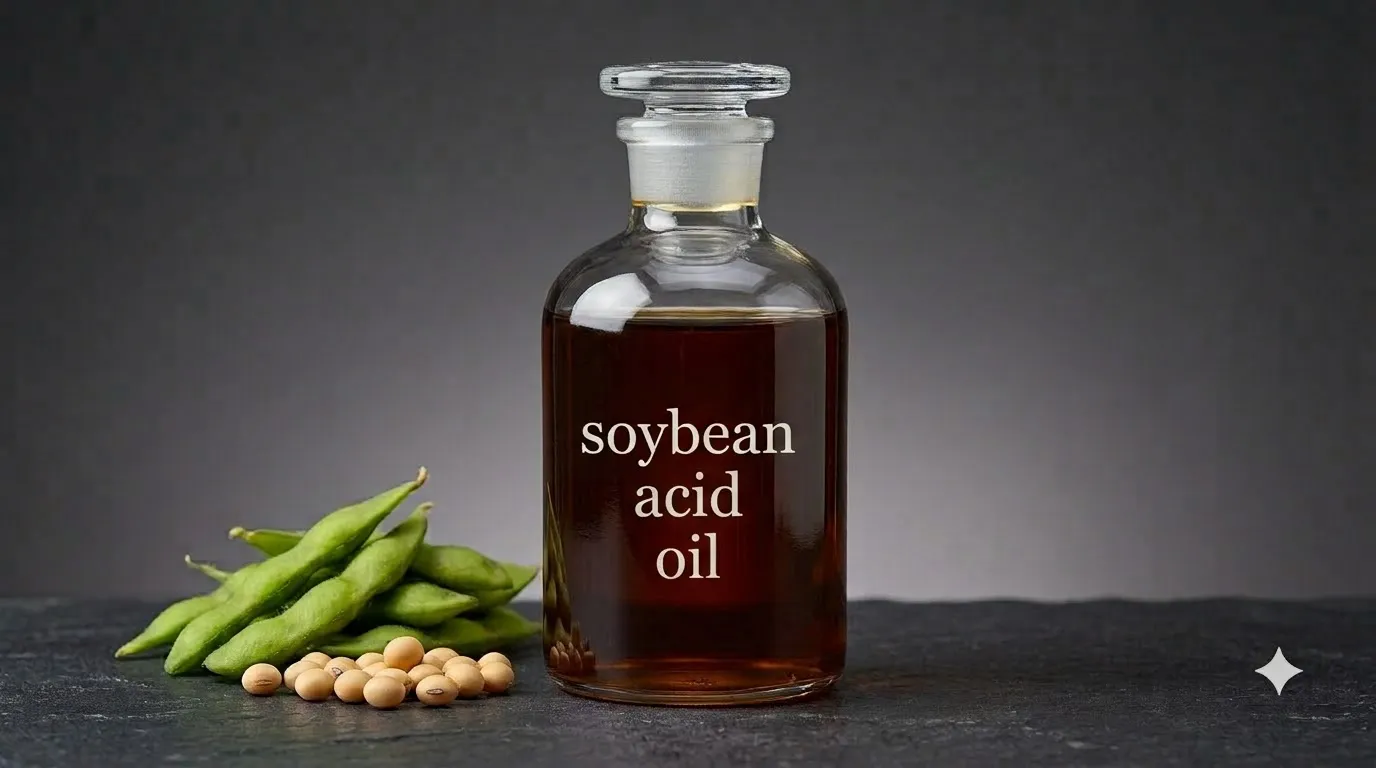
Soybean acid oil is the acidulated soapstock from soybean refining. It is the cheapest route to a soybean-derived ester, but its high polyunsaturate content gives the resulting fuel poor oxidation stability.
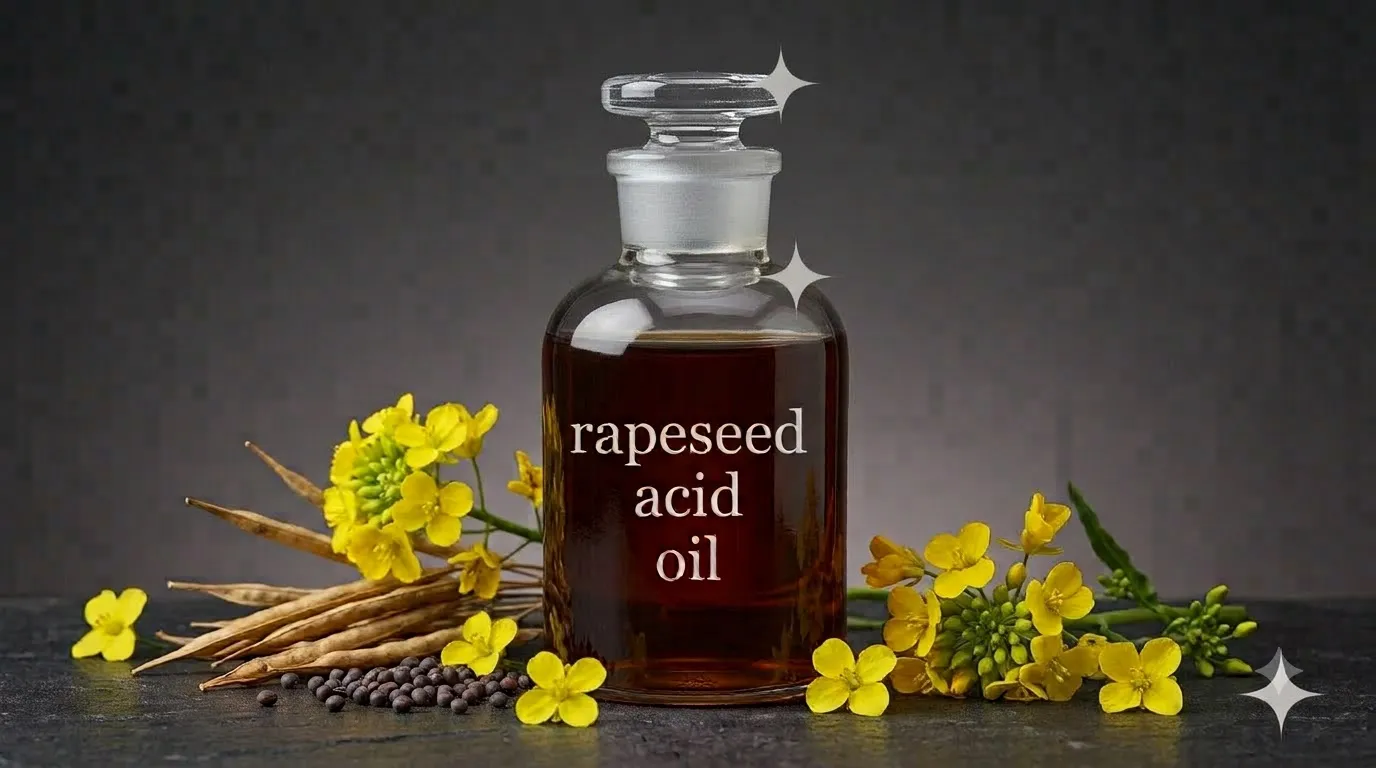
Rapeseed acid oil is recovered by acidulating the soapstock from rapeseed oil refining. As a residue stream it qualifies as waste-based feedstock, and its high free fatty acid content routes it to acid esterification rather than the alkali process.

Sunflower acid oil is the acidulated soapstock from sunflower oil refining. It is generally paler and lower in phosphatides than soybean or rapeseed acid oil, which makes it marginally cleaner to process.

Palm methyl ester is finished biodiesel, produced by transesterifying palm oil with methanol. It offers one of the highest cetane numbers and best oxidation stabilities of any FAME, with cold-flow behaviour as its limiting property.
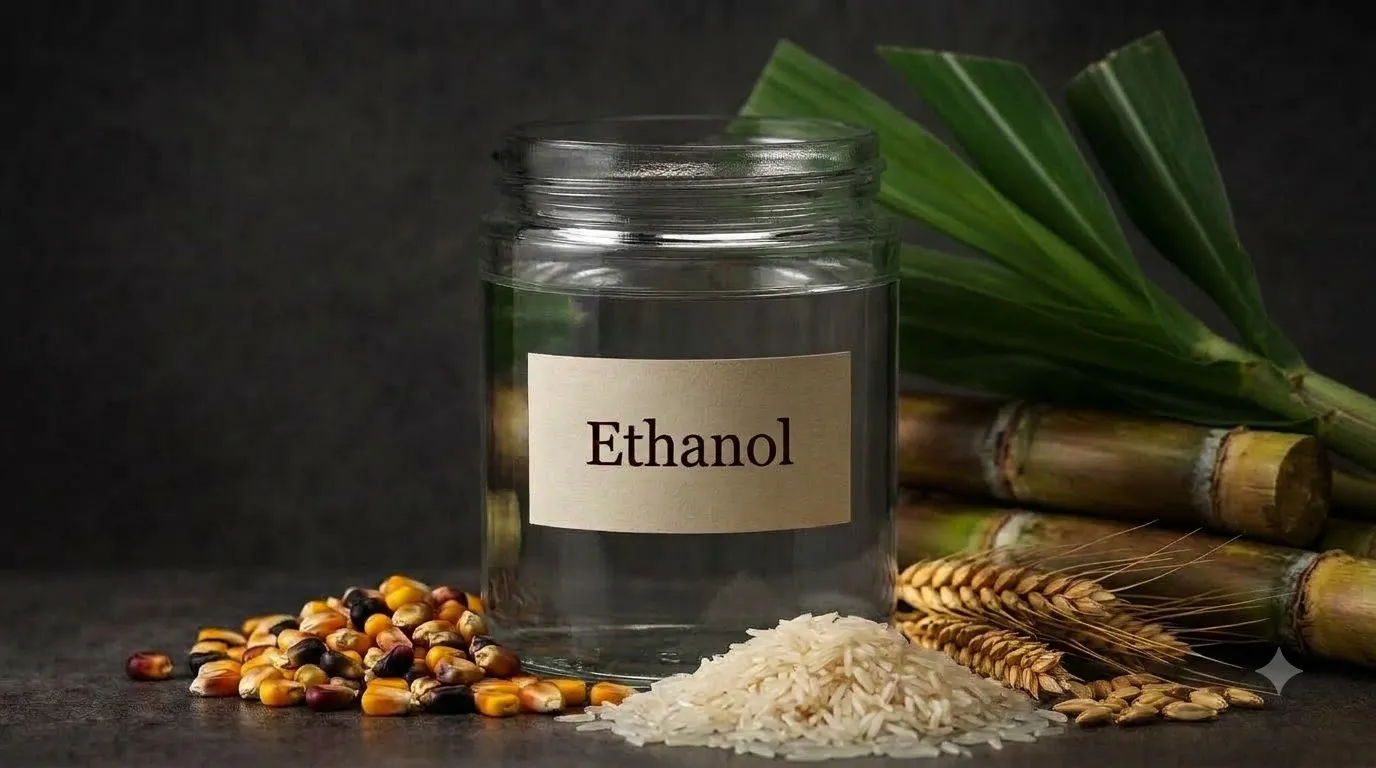
Fuel ethanol is produced by fermenting sugar or starch crops and is blended into gasoline at 5 to 85 percent. It raises octane and adds oxygen to the fuel, but its affinity for water sets the rules for how it must be handled.
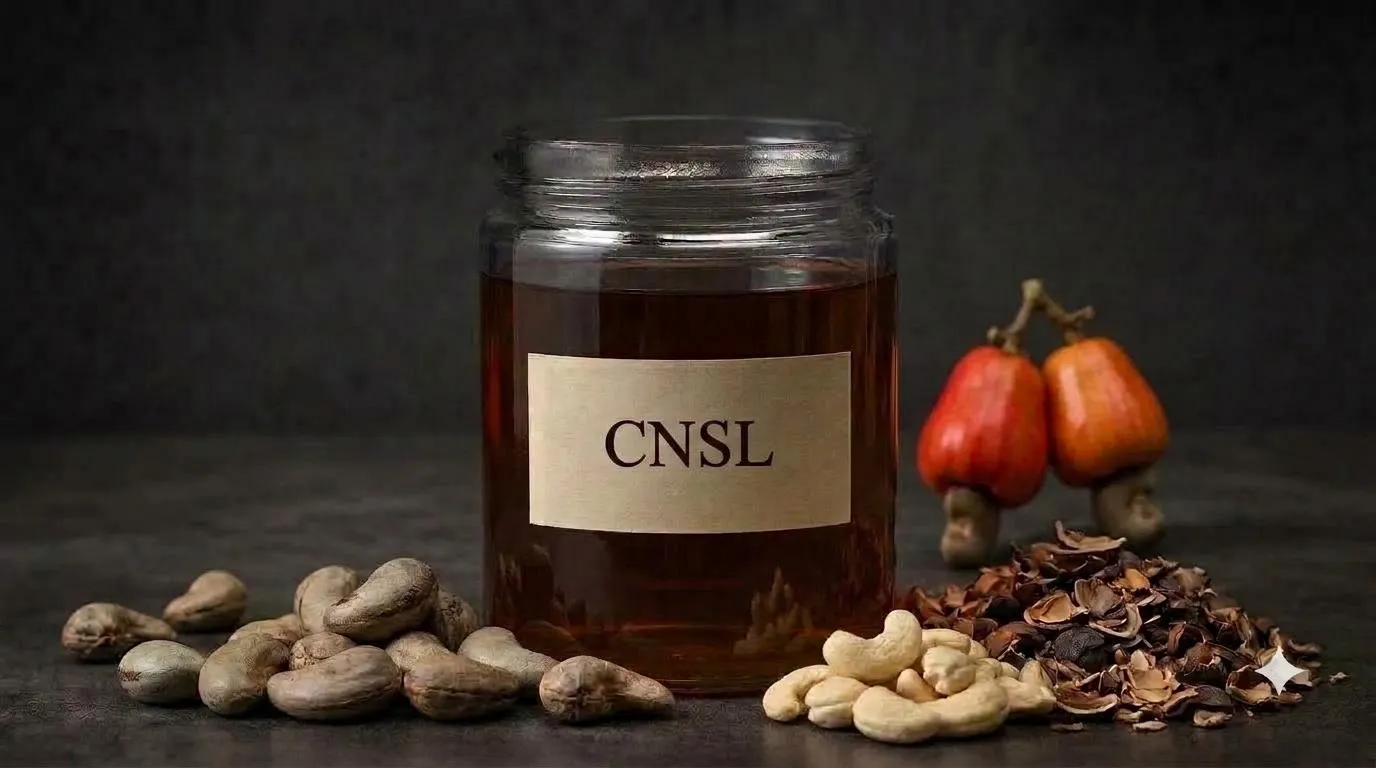
Cashew nut shell liquid is a renewable phenolic oil from cashew processing, not a triglyceride. It cannot be transesterified like a vegetable oil, and is used instead as a bio-based fuel oil, blend component and chemical feedstock.
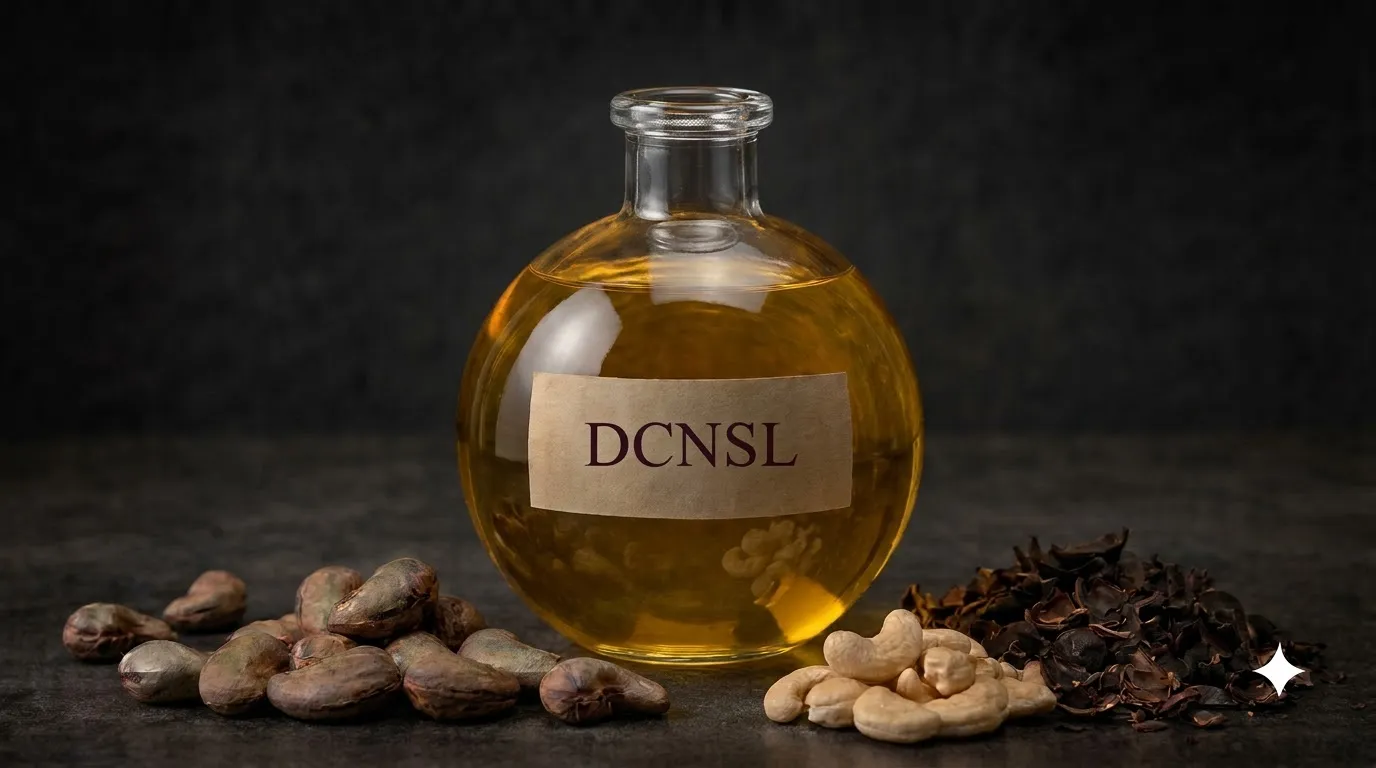
DCNSL is cashew nut shell liquid heat-treated so its anacardic acid converts to cardanol and releases carbon dioxide. Removing that unstable acid group gives a lower-acidity, thermally stable renewable liquid for fuel and resin use.
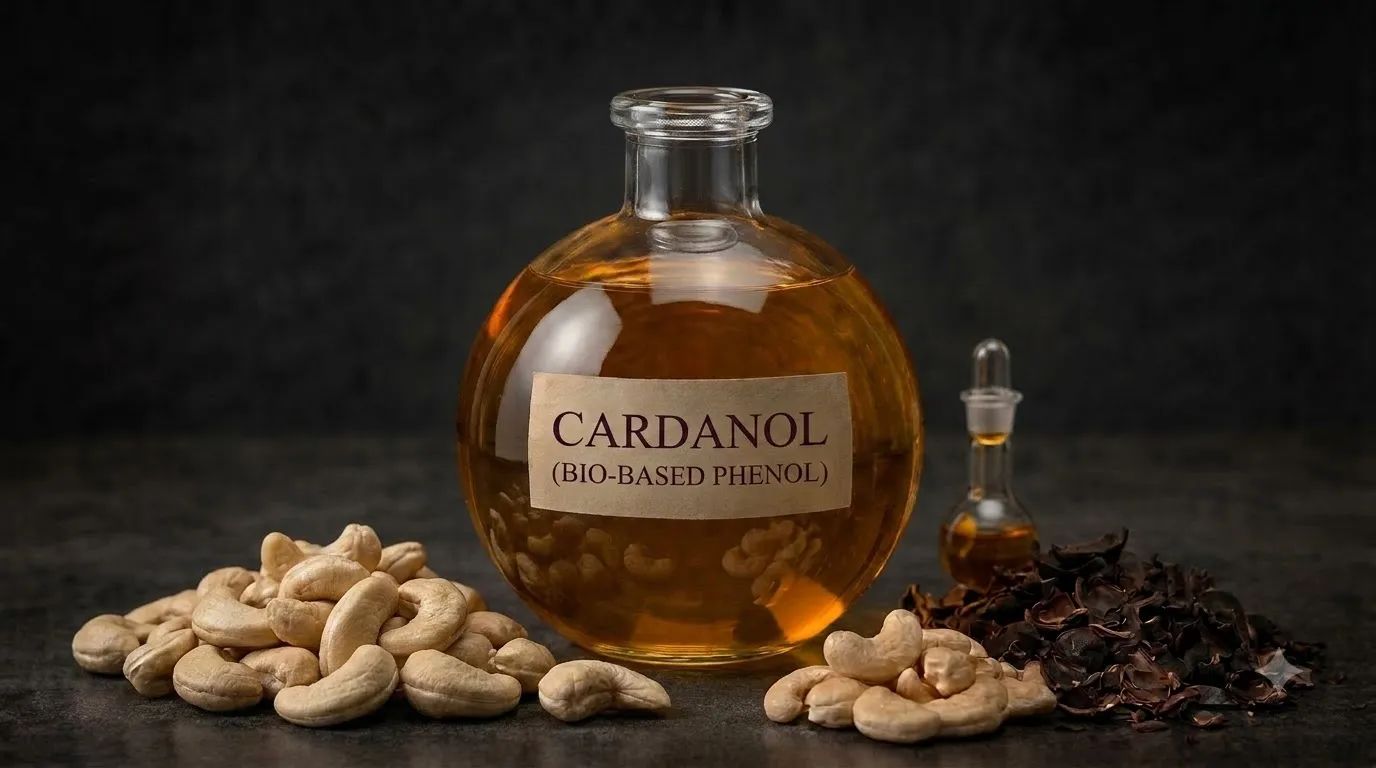
Cardanol (CAS 37330-39-5) is the distilled phenolic fraction of cashew nut shell liquid. In fuel applications it is a renewable blend component and additive base rather than a biodiesel feedstock, since it carries no glyceride to transesterify.
We're committed to delivering excellence in every product and service
Contact our team to discuss your requirements and receive a customized quote.